Navigate with Confidence
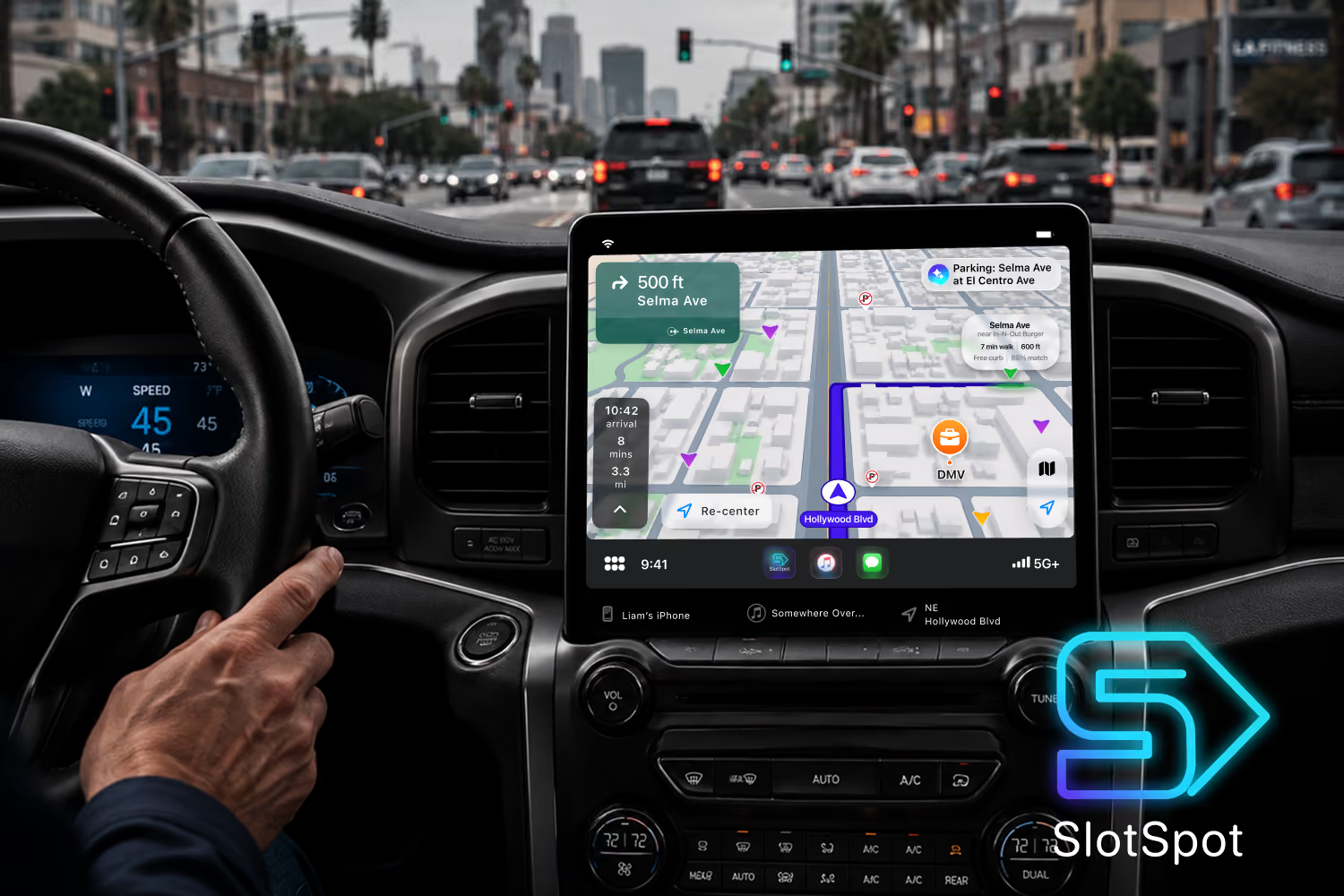
Turn-by-turn directions guide drivers directly to the most likely area tofind a space, rather than to the exact destination. This minimizes circling around.

A whole brand borne from an imperfect piece of refuse.

Firescale is crafted for crafty men.

The experience centers on three moments: finding parking, getting there with confidence, and understanding savings.

Turn-by-turn directions guide drivers directly to the most likely area tofind a space, rather than to the exact destination. This minimizes circling around.
Compare time, price, and walking distance before deciding where to park.
SlotSpot users anonymously share real-time parking data intel to help SlotSpot narrow down likely available parking spots.
The story behind the end product practically narrated itself.
The object represented to me hard word and things made boldy by hand.
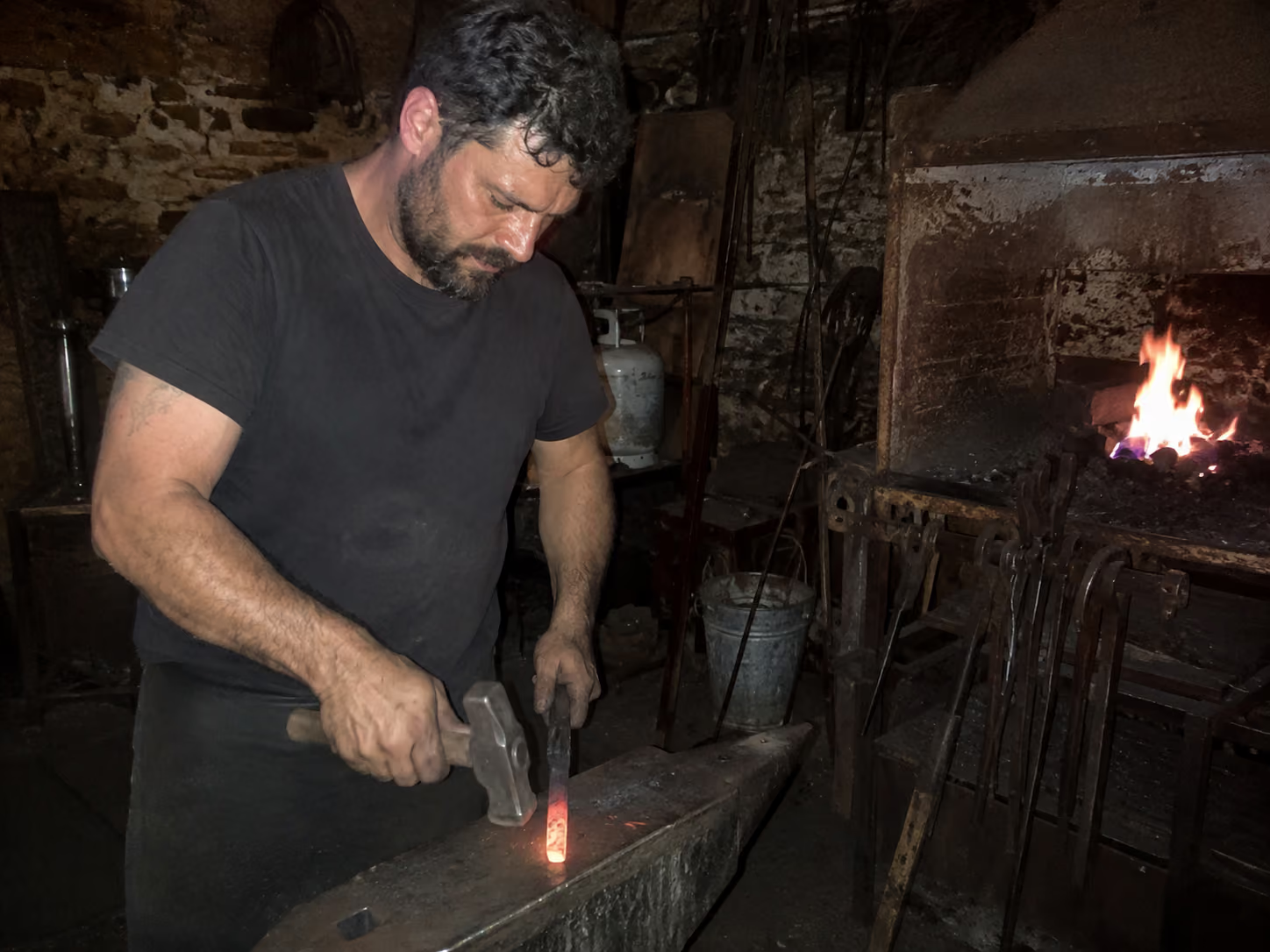

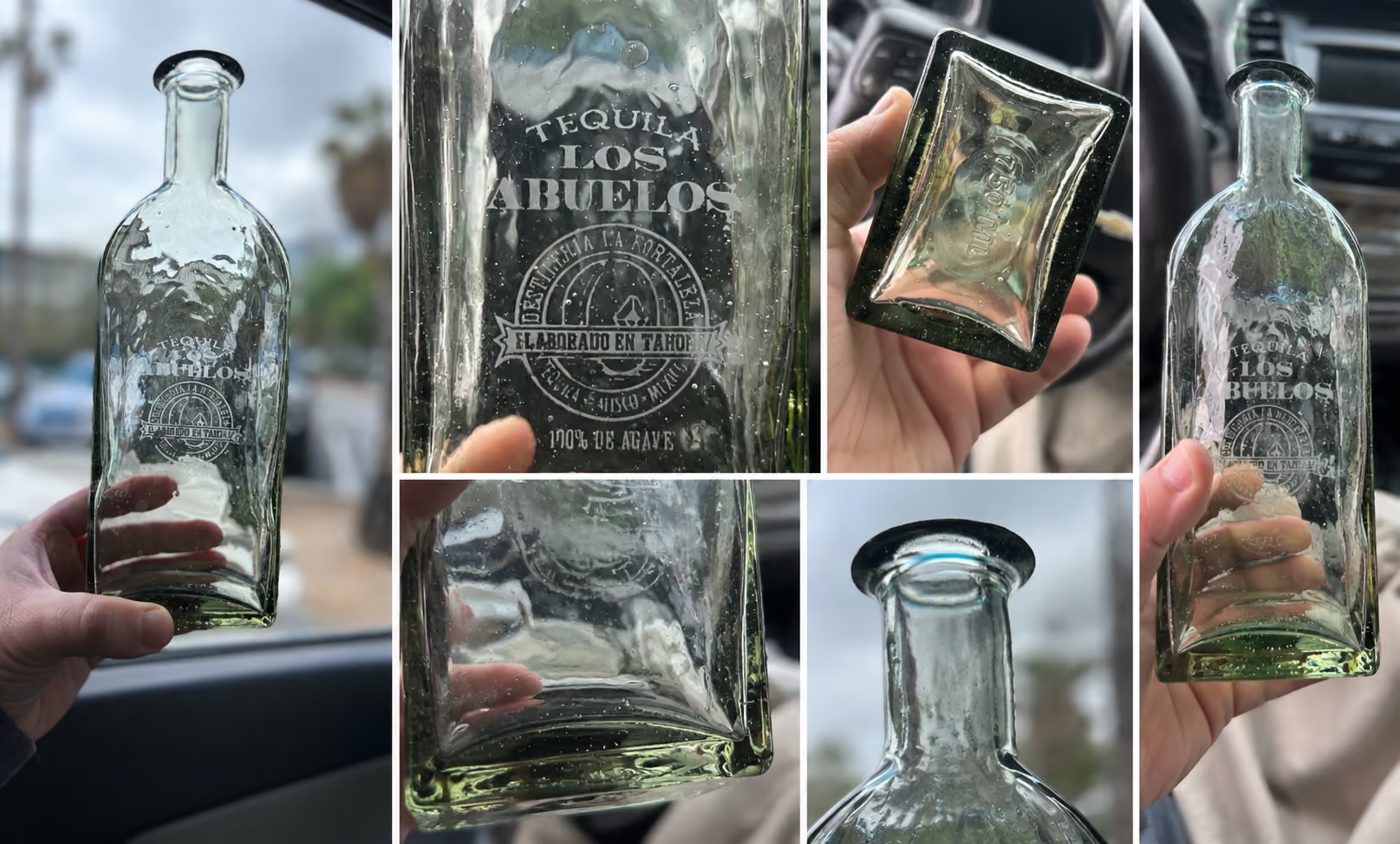
While rummaging around I discovered a gritty piece of handcraft that led my imagination to an alternate history.
The warped glass, heavy proportions, air bubbles, and irregular surface of this object gave it a handmade character that polished packaging in a mass-production society usually removes. I began pulling from that same world of manual craft, organic texture, and an appreciation for the way the light hits the glass at each angle, leaning toward a narrative involving hand production, worn tools, rough paper, penmanship, stamps, and the marks left behind by making things not produced by machine.
Lorem ipsum dolor sit amet, consectetur adipiscing elit, sed do eiusmod tempor incididunt ut labore et dolore magna aliqua. Ut enim ad minim veniam, quis nostrud exercitation ullamco laboris nisi ut aliquip ex ea commodo consequat. Duis aute irure dolor in reprehenderit in voluptate velit esse cillum dolore eu fugiat nulla pariatur.

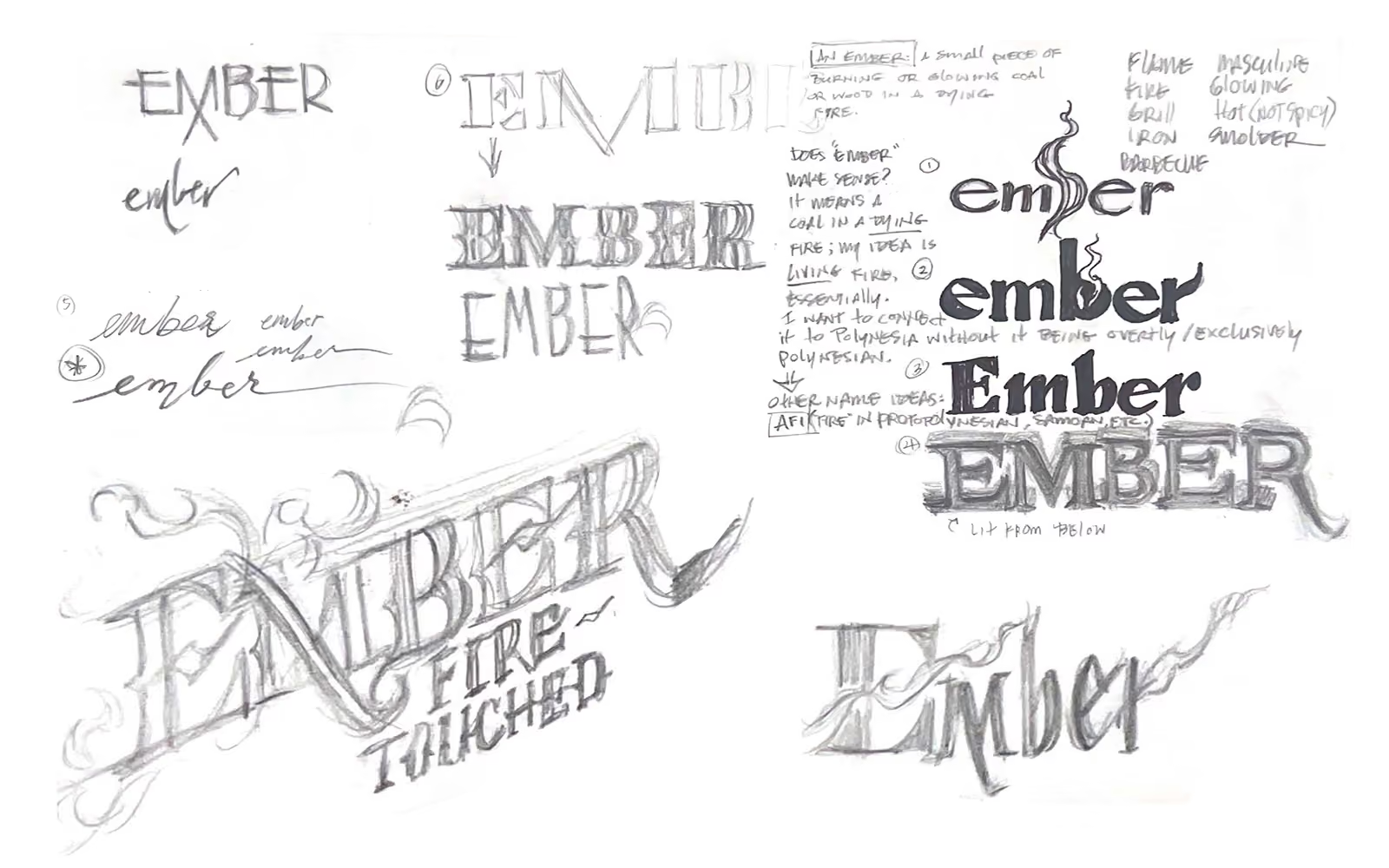
From early on, the bottle's form suggested to me the concept of heat, and I began exploring the qualities that made the bottle interesting: weight, irregularity, age, and evidence of making. Clearly no two of these bottles would be exactly the same. I felt that the glass and texture suggested being touched by fire, which I rolled with immediately. Glassblowing was evident, but I took the concept deeper into the realm of blacksmithing. Early name concepts like Ember and Forging Patina kept the fire motif going, with rough typography and handcrafted details emerging to eventually become characteristic of the brand.
Lorem ipsum dolor sit amet, consectetur adipiscing elit, sed do eiusmod tempor incididunt ut labore et dolore magna aliqua. Ut enim ad minim veniam, quis nostrud exercitation ullamco laboris nisi ut aliquip ex ea commodo consequat. Duis aute irure dolor in reprehenderit in voluptate velit esse cillum dolore eu fugiat nulla pariatur.
TOO MUCH TO TRACK
Information overload
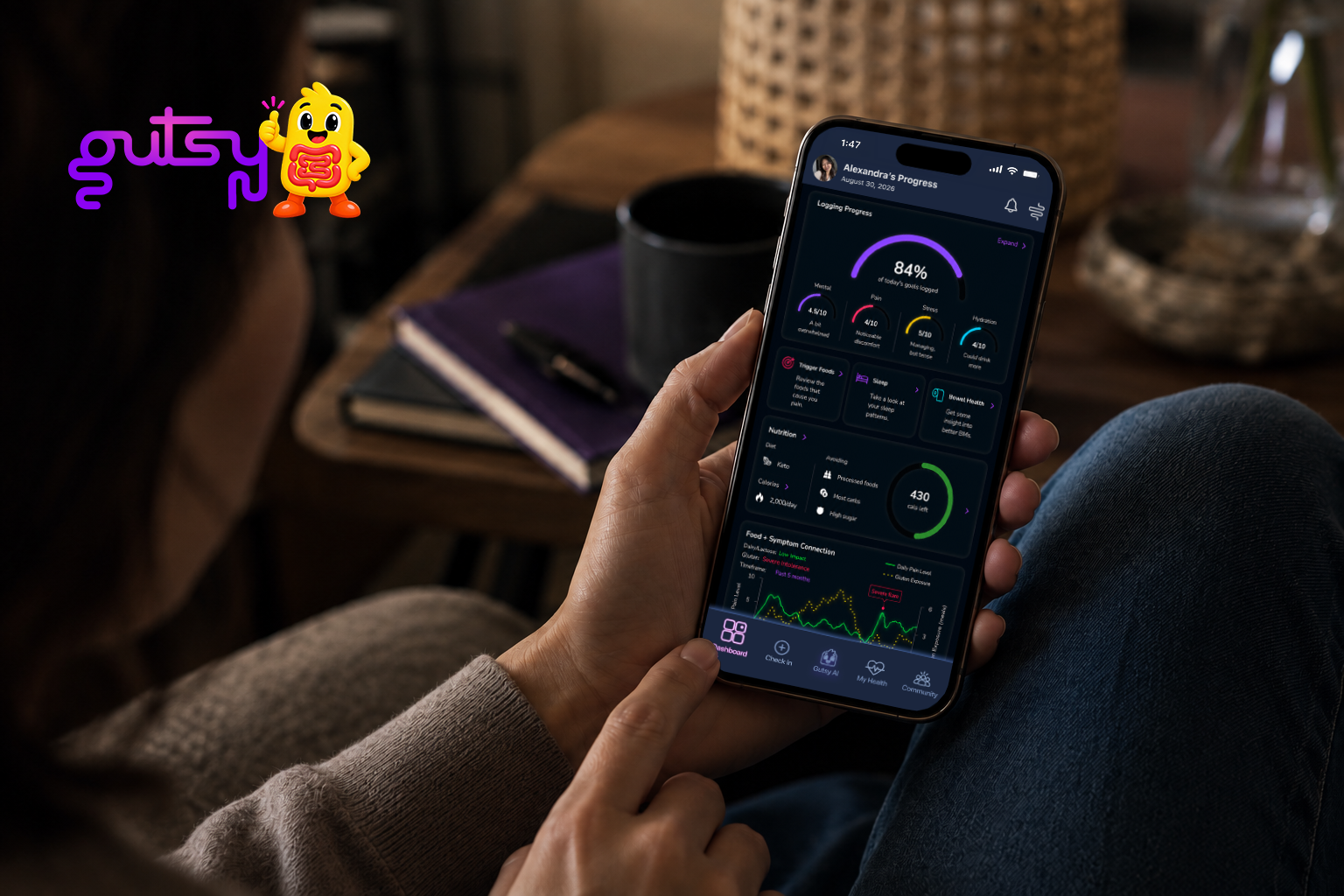
Keeping track of everything affecting how I feel can become another task in itself.
KEY INSIGHT
Health information is scattered across symptoms, food, sleep, medication, stress, and daily routines.
TOO MUCH TO TRACK
Information overload
Keeping track of everything affecting how I feel can become another task in itself.
KEY INSIGHT
Health information is scattered across symptoms, food, sleep, medication, stress, and daily routines.
TOO MUCH TO TRACK
Information overload
Keeping track of everything affecting how I feel can become another task in itself.
KEY INSIGHT
Health information is scattered across symptoms, food, sleep, medication, stress, and daily routines.
The bottle’s imperfections reminded me of glass in the heat of a smoldering kiln, when bubbles and irregularities are still alive in the material. It made me think of the metal shop beside the glass studio where I spent so much time in college, an image that led my pencil toward fire, heat, kilns, and forging. One satisfying part of forging is when the oxidized layer formed under intense heat flakes away as the metal is worked, revealing the surface beneath: fire scale. The name became a segue into an entire story.
Lorem ipsum dolor sit amet, consectetur adipiscing elit, sed do eiusmod tempor incididunt ut labore et dolore magna aliqua. Ut enim ad minim veniam, quis nostrud exercitation ullamco laboris nisi ut aliquip ex ea commodo consequat. Duis aute irure dolor in reprehenderit in voluptate velit esse cillum dolore eu fugiat nulla pariatur.
People weren't struggling to collect health information as much as understand what it meant. Three principles shaped the design:
Lorem ipsum dolor sit amet, consectetur adipiscing elit, sed do eiusmod tempor incididunt ut labore et dolore magna aliqua. Ut enim ad minim veniam, quis nostrud exercitation ullamco laboris nisi ut aliquip ex ea commodo consequat. Duis aute irure dolor in reprehenderit in voluptate velit esse cillum dolore eu fugiat nulla pariatur.
REDUCE THE
BURDEN
Make logging simple enough to fit into daily life (not become another health-related task).
KEY INSIGHT
Tracking has to feel easier than remembering.
REDUCE THE
BURDEN
Make logging simple enough to fit into daily life (not become another health-related task).
KEY INSIGHT
Tracking has to feel easier than remembering.
REDUCE THE
BURDEN
Make logging simple enough to fit into daily life (not become another health-related task).
KEY INSIGHT
Tracking has to feel easier than remembering.
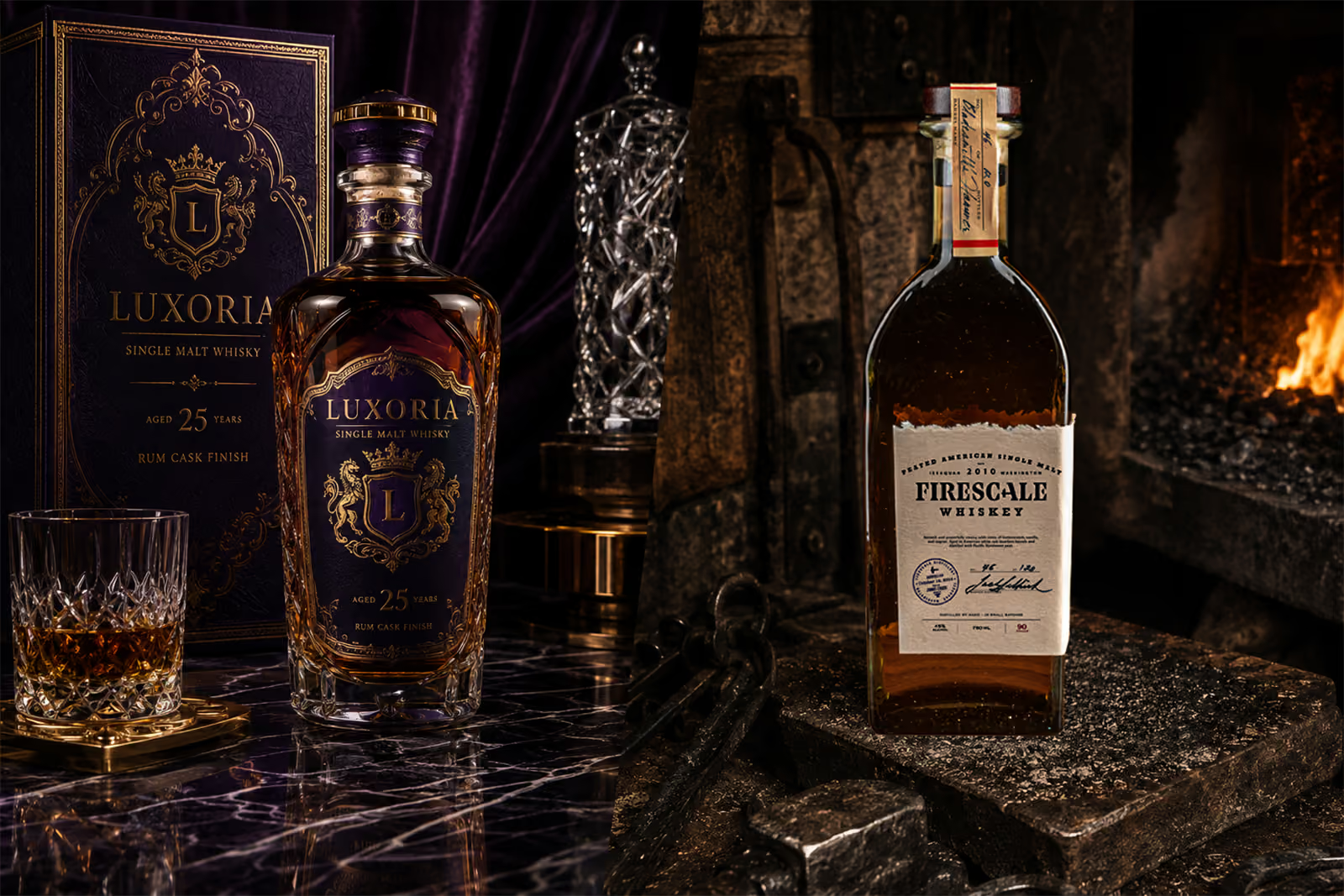
Premium whiskey often competes through refinement, heritage, and familiar signals of luxury. As mass production, synthetic materials, automation, and generative AI make perfection increasingly cheap and ubiquitous, evidence of human hands becomes more valuable: irregular materials, wear, variation, organic forms, and physical craft. Firescale turns those qualities into differentiation, giving a smoky American single malt distinctive shelf presence and a premium experience without making it precious, polished, or conventional.
Lorem ipsum dolor sit amet, consectetur adipiscing elit, sed do eiusmod tempor incididunt ut labore et dolore magna aliqua. Ut enim ad minim veniam, quis nostrud exercitation ullamco laboris nisi ut aliquip ex ea commodo consequat. Duis aute irure dolor in reprehenderit in voluptate velit esse cillum dolore eu fugiat nulla pariatur.
The bottle didn’t need its imperfections designed away: they were the beginning of the unique story behind the brand.
A fictional brotherhood of blacksmith-distillers gave Firescale a place, a history, and a reason to exist.
Whiskey came naturally. I’ve always been drawn to smoky Scotch, where peat and char can make the experience feel almost elemental. I wanted my whiskey to feature this smokiness, so I gave it Scottish Celtic roots. The smokiness connected to another world I knew firsthand: forging metal, working around heat, and making things with my hands. As I sketched, those influences began merging with the imperfect bottle into a place, a product, and eventually the people who might have made it.
Lorem ipsum dolor sit amet, consectetur adipiscing elit, sed do eiusmod tempor incididunt ut labore et dolore magna aliqua. Ut enim ad minim veniam, quis nostrud exercitation ullamco laboris nisi ut aliquip ex ea commodo consequat. Duis aute irure dolor in reprehenderit in voluptate velit esse cillum dolore eu fugiat nulla pariatur.

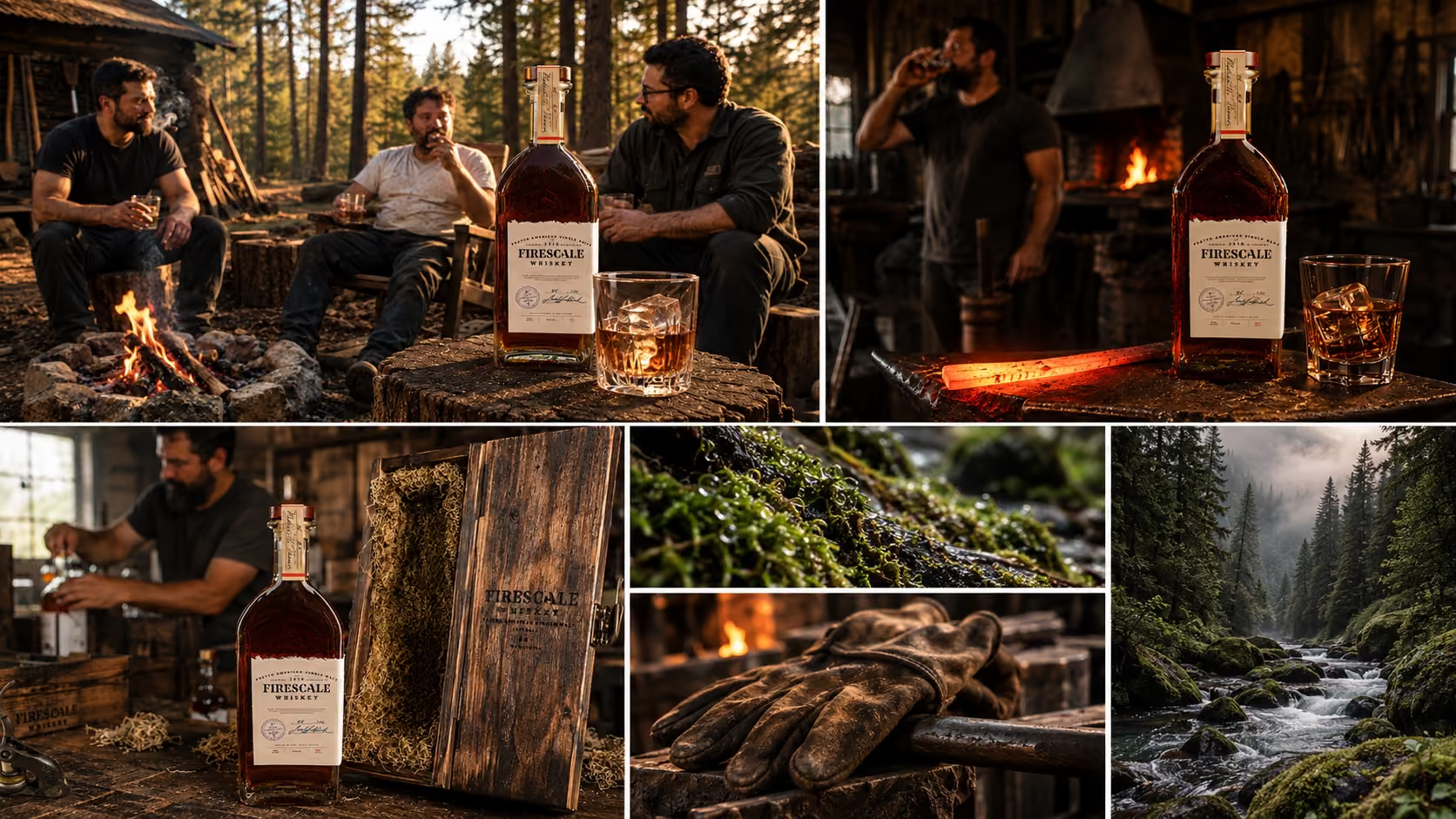
If Firescale were an American smoky whiskey, I imagined it coming from the wet forests of the Pacific Northwest, the environment of which parallels parts of Scotland. Moss, timber, cold air, and the probability of local peat felt like it contrasted naturally to heat, smoke, and forged metal. The landscape gave the brand a home and helped the workshop in my sketches become a real place in my imagination.
Lorem ipsum dolor sit amet, consectetur adipiscing elit, sed do eiusmod tempor incididunt ut labore et dolore magna aliqua. Ut enim ad minim veniam, quis nostrud exercitation ullamco laboris nisi ut aliquip ex ea commodo consequat. Duis aute irure dolor in reprehenderit in voluptate velit esse cillum dolore eu fugiat nulla pariatur.
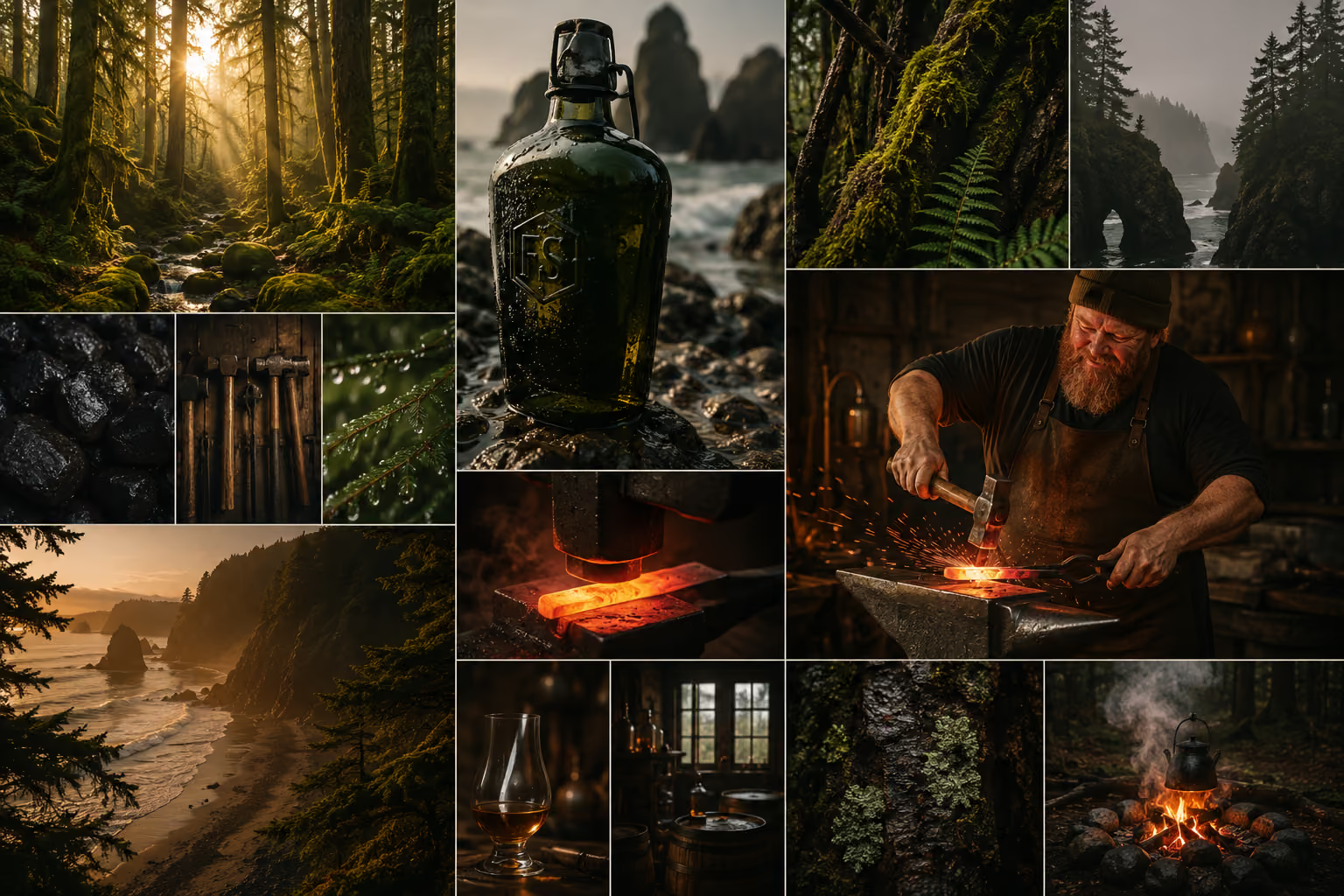
As the world became clearer, I imagined two brothers who run a metal fabrication shop and forge sculptures on the side. Practical, self-reliant craftsmen, their lives revolved around fire, metal, weather, and hard work in the Pacific Northwest. I borrowed their name from Alexander Selkirk, the Scottish castaway who helped inspire Robinson Crusoe, and imagined them as first-generation Americans raised on their family’s Scottish heritage and smoky Scotch whiskey. The Selkirk brothers gave Firescale more than fictional founders. They gave me a way to ask what this brand would actually look like if these were the men making it.
Lorem ipsum dolor sit amet, consectetur adipiscing elit, sed do eiusmod tempor incididunt ut labore et dolore magna aliqua. Ut enim ad minim veniam, quis nostrud exercitation ullamco laboris nisi ut aliquip ex ea commodo consequat. Duis aute irure dolor in reprehenderit in voluptate velit esse cillum dolore eu fugiat nulla pariatur.

The story gave every design decision a litmus test: would the Selkirk brothers themselves actually make it this way?
The world was taking shape. Now the lettering, bottle, label, and materials had to make it believable.
The found bottle had sparked the world of Firescale, but as that world became more believable, I wanted to know whether my first instinct still deserved to survive. I pulled away from it to explore what the brothers might choose from scratch. Canteens, utilitarian closures, metal cups, sculpted glass, and forms shaped by their work and environment pushed the narrative further. Sketching them allowed me to challenge the project’s fundamental assumption rather than protect an object simply because I was inspired by it.
Lorem ipsum dolor sit amet, consectetur adipiscing elit, sed do eiusmod tempor incididunt ut labore et dolore magna aliqua. Ut enim ad minim veniam, quis nostrud exercitation ullamco laboris nisi ut aliquip ex ea commodo consequat. Duis aute irure dolor in reprehenderit in voluptate velit esse cillum dolore eu fugiat nulla pariatur.

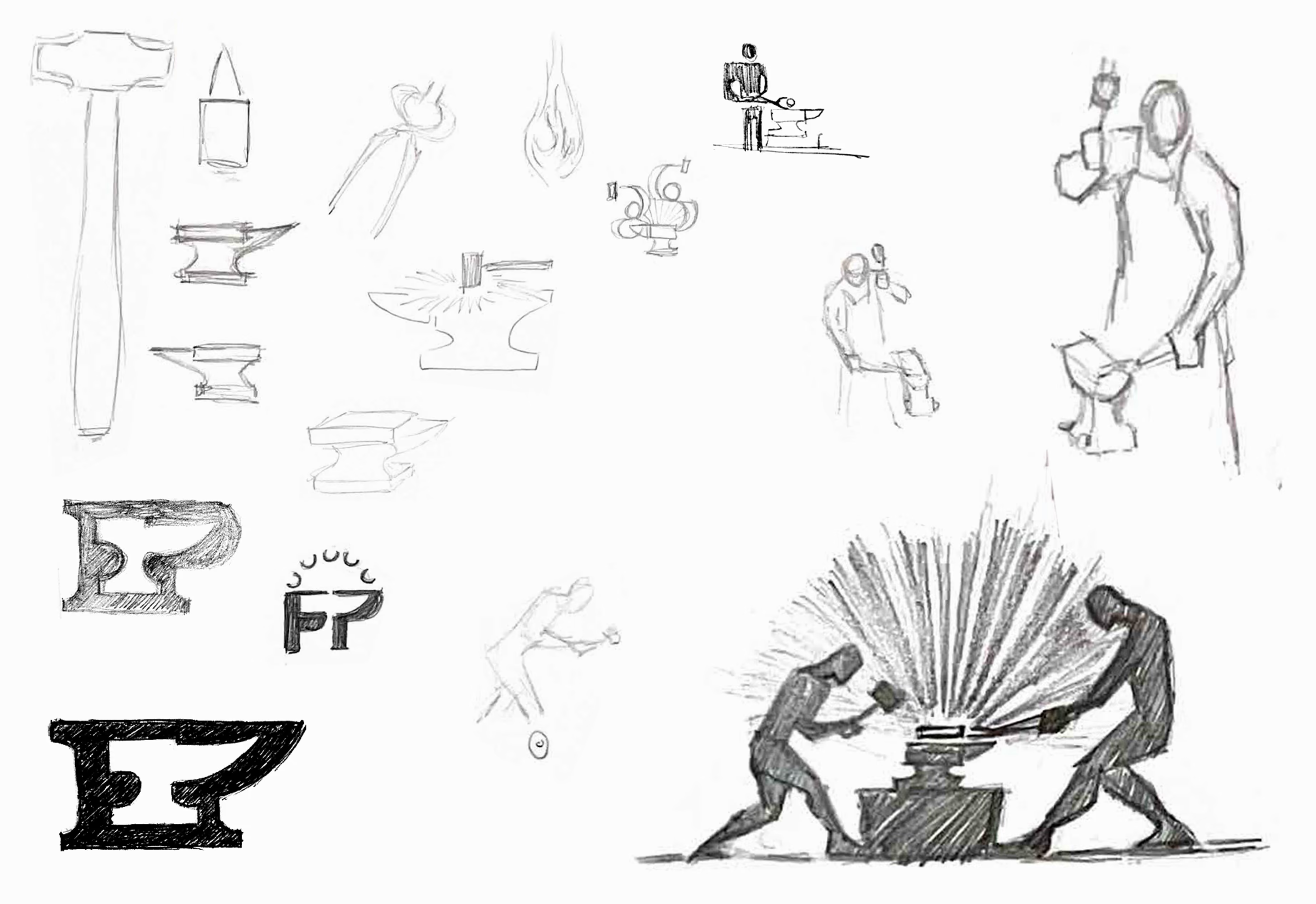
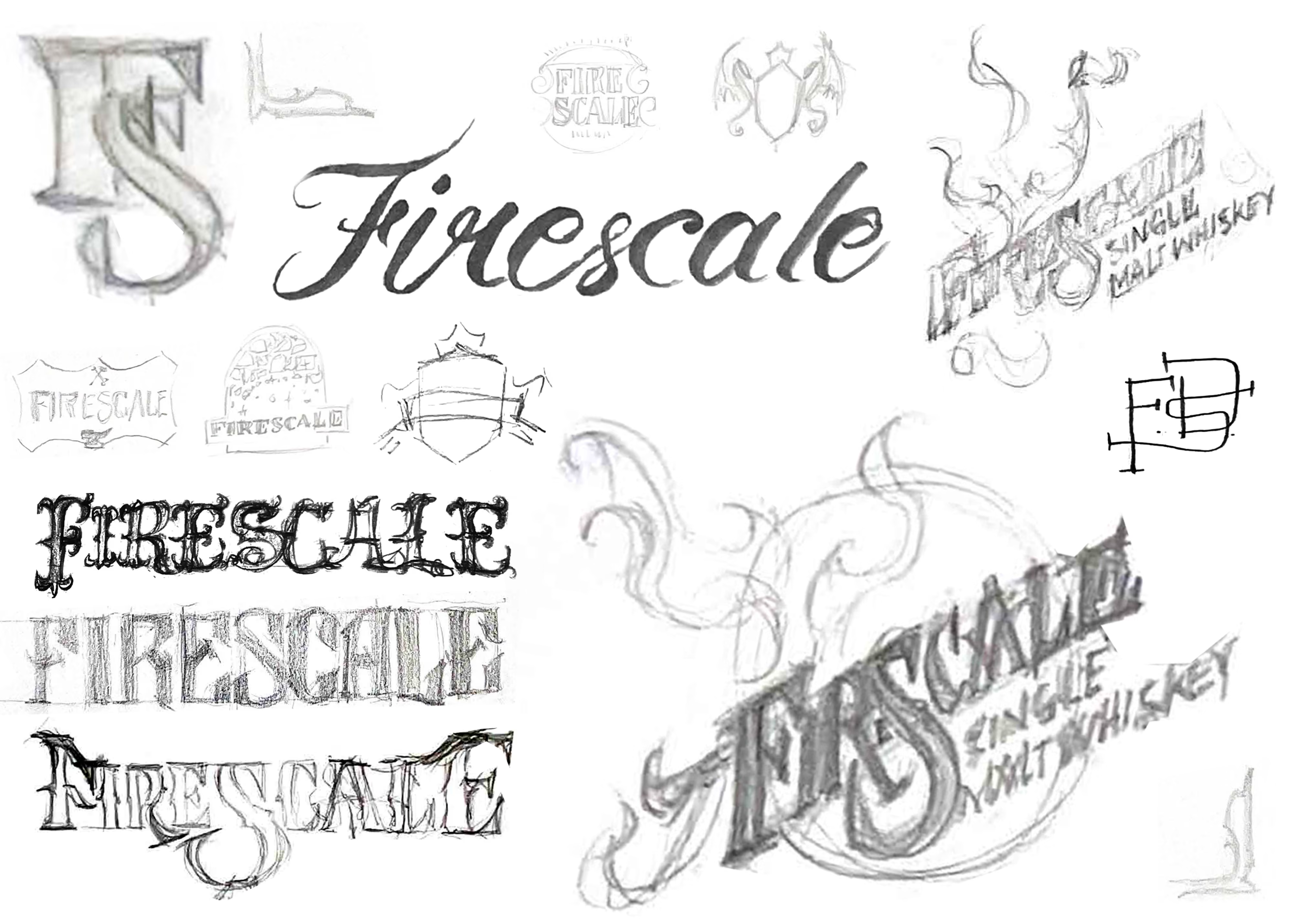
I pushed the identity through scripts, heavy serifs, monograms, ornaments, and hand-drawn lettering, searching for a mark that felt crafted rather than manufactured, imperfect without feeling careless. I gravitated toward angular forms and explored ways to work the hammer and anvil into the letterforms, letting the mark carry more of the Firescale story. Though I abandoned the idea, I began vectorzing crests locked up in the shape of a hammer.
Lorem ipsum dolor sit amet, consectetur adipiscing elit, sed do eiusmod tempor incididunt ut labore et dolore magna aliqua. Ut enim ad minim veniam, quis nostrud exercitation ullamco laboris nisi ut aliquip ex ea commodo consequat. Duis aute irure dolor in reprehenderit in voluptate velit esse cillum dolore eu fugiat nulla pariatur.

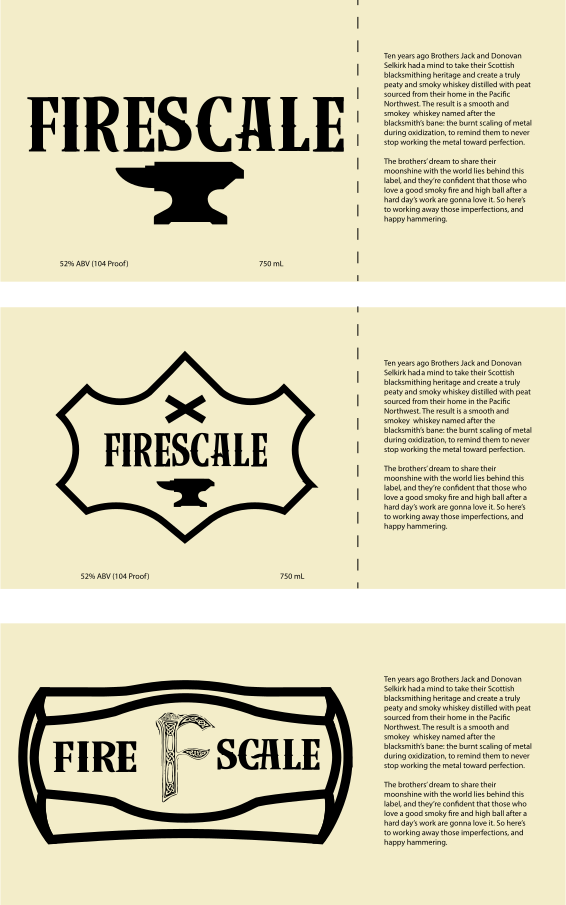
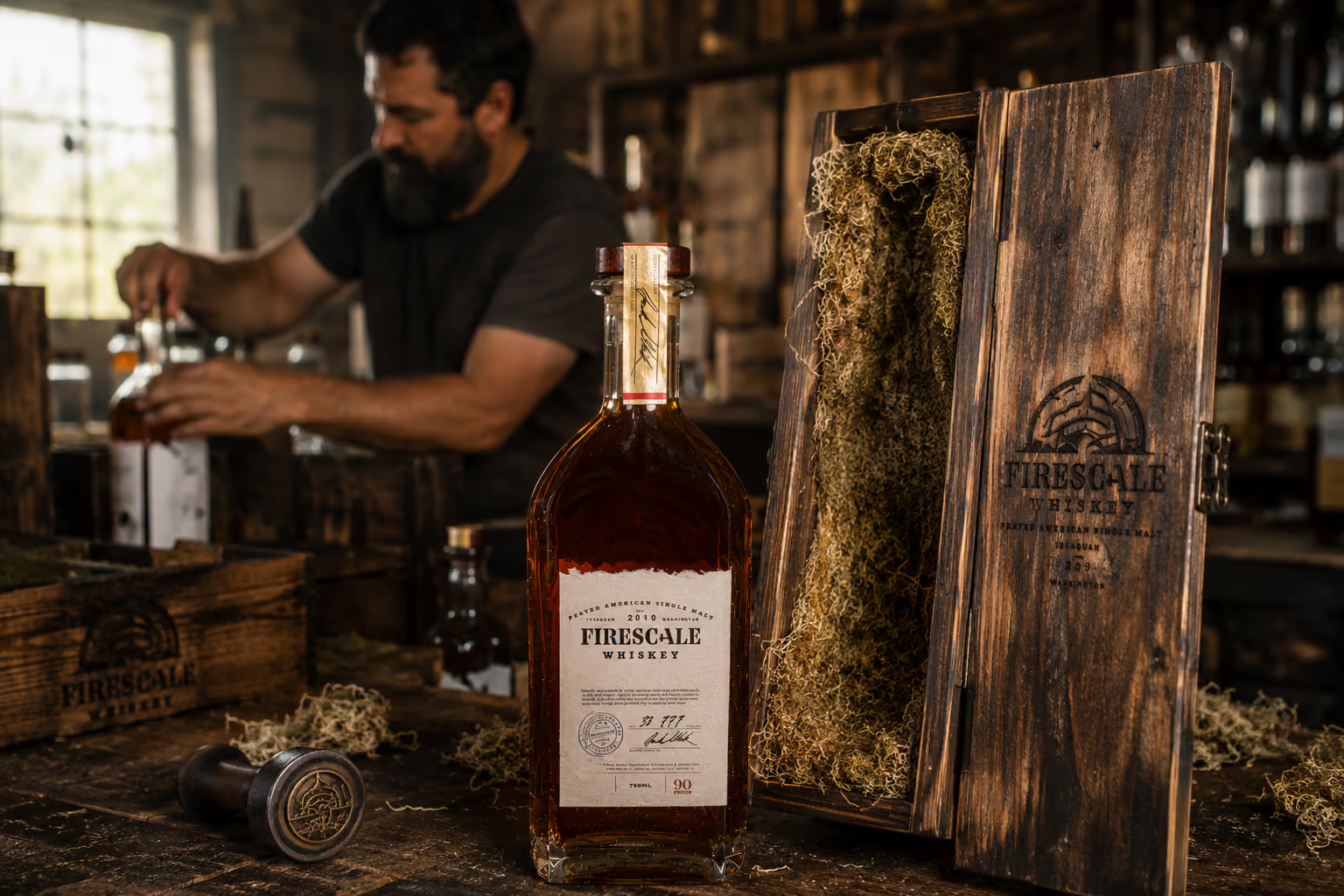
I translated the emerging visual language into the label itself, working through hierarchy, typography, handwritten details, irregular edges, and the neck band (banderole) until the packaging felt like something that belonged in the Selkirks’ workshop.
Lorem ipsum dolor sit amet, consectetur adipiscing elit, sed do eiusmod tempor incididunt ut labore et dolore magna aliqua. Ut enim ad minim veniam, quis nostrud exercitation ullamco laboris nisi ut aliquip ex ea commodo consequat. Duis aute irure dolor in reprehenderit in voluptate velit esse cillum dolore eu fugiat nulla pariatur.

Each step connects everyday inputs into patterns and personalized support.
Lorem ipsum dolor sit amet, consectetur adipiscing elit, sed do eiusmod tempor incididunt ut labore et dolore magna aliqua. Ut enim ad minim veniam, quis nostrud exercitation ullamco laboris nisi ut aliquip ex ea commodo consequat. Duis aute irure dolor in reprehenderit in voluptate velit esse cillum dolore eu fugiat nulla pariatur.

The story stopped being an illustration, and became a set of decisions I could hold in my hands.
Firescale needed to feel as convincing in the hand as it did in the story. I moved from sketches into physical prototypes, testing paper, printing, embossing, handwriting, and construction directly onto the bottle.
I moved off the page and into physical materials, printing, cutting, wrapping, embossing, handwriting, stippling, and rebuilding the package by hand. The goal was to see whether the identity could actually live on the imperfect bottle that started the journey.
Lorem ipsum dolor sit amet, consectetur adipiscing elit, sed do eiusmod tempor incididunt ut labore et dolore magna aliqua. Ut enim ad minim veniam, quis nostrud exercitation ullamco laboris nisi ut aliquip ex ea commodo consequat. Duis aute irure dolor in reprehenderit in voluptate velit esse cillum dolore eu fugiat nulla pariatur.
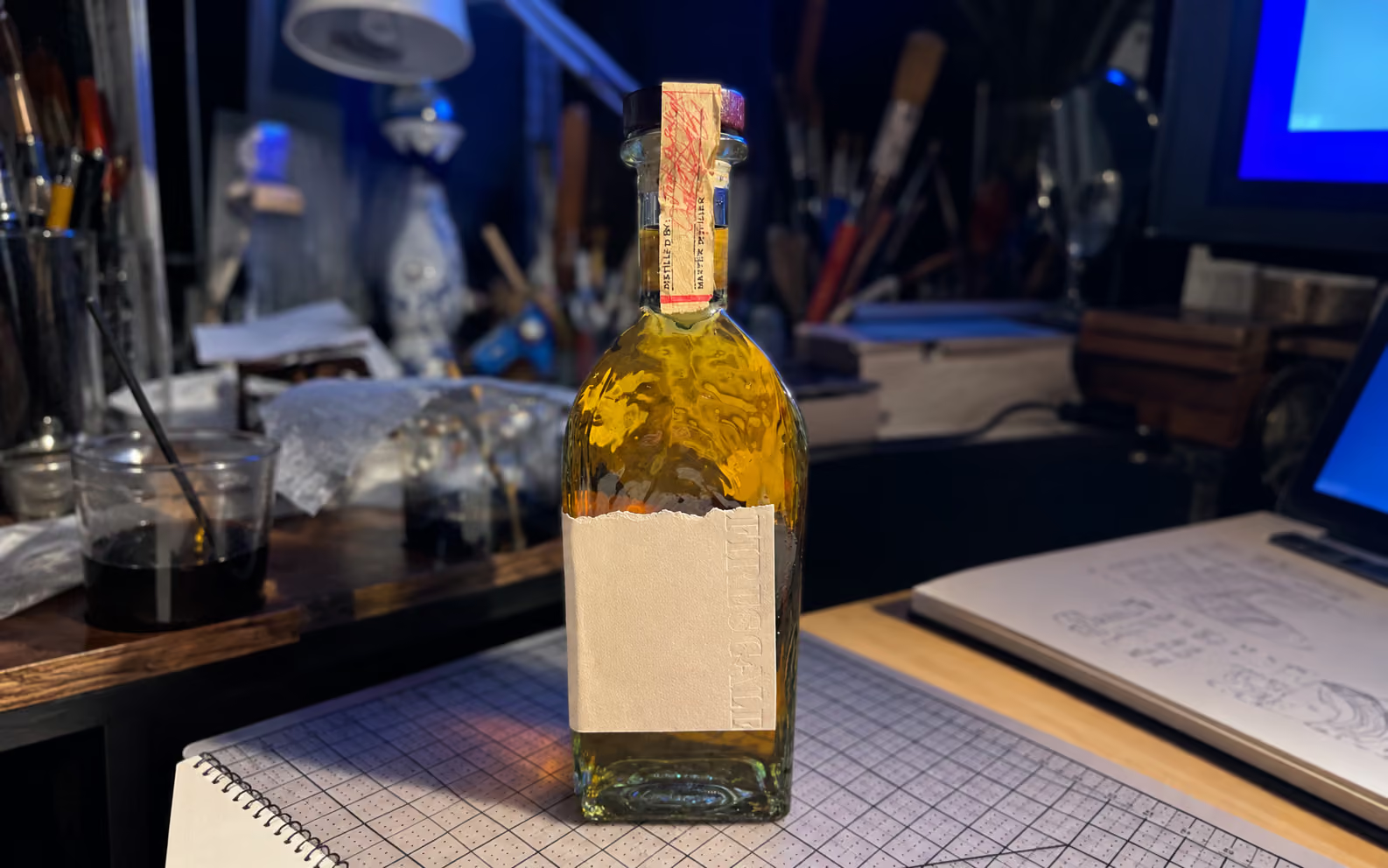
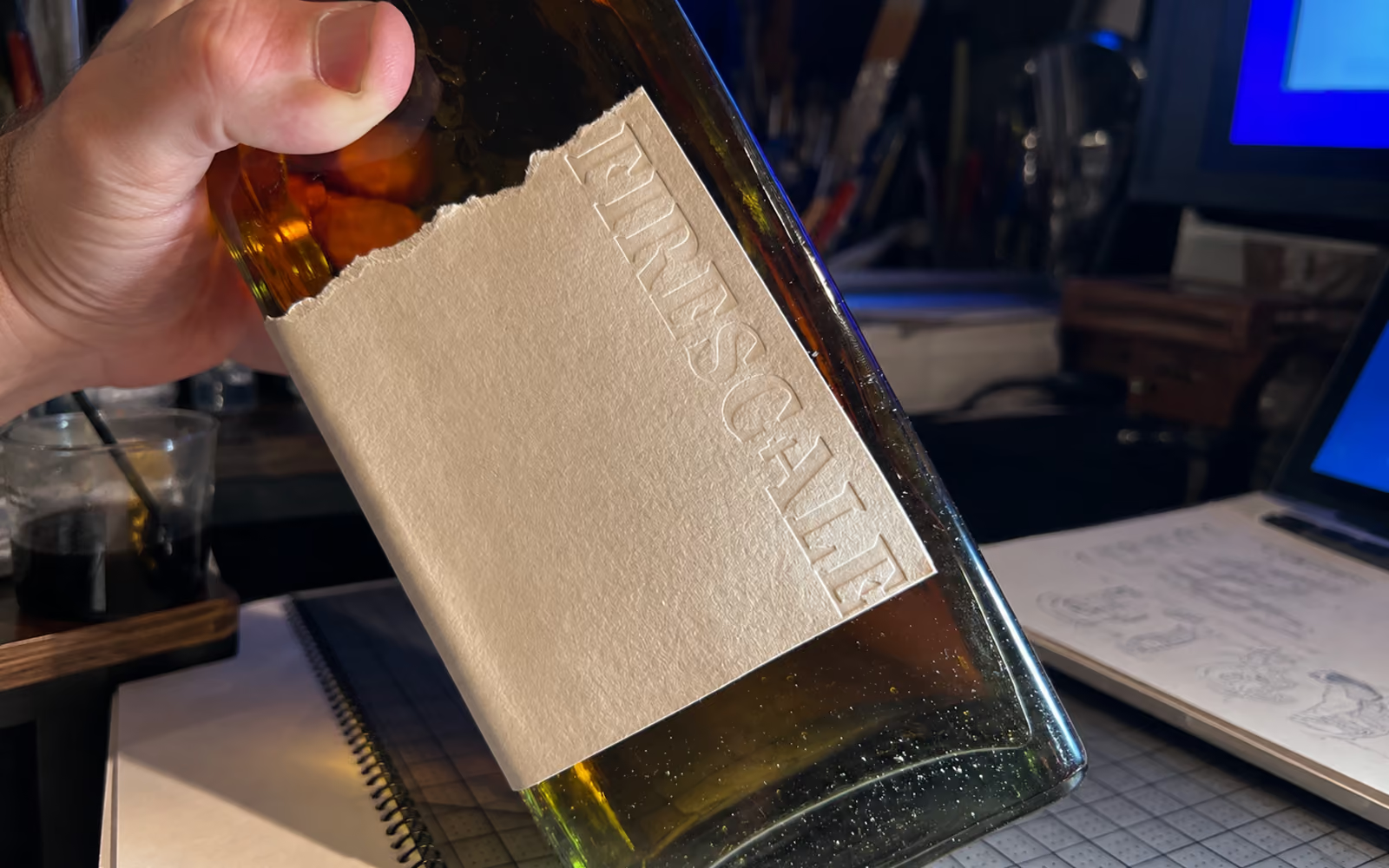
Examining the bottle’s air seeds, irregular texture, and slight green-blue hue helped determine how the labeling should feel. I tested fibrous papers, torn edges, embossing, charred paper, handwriting, and layered details to see how far I could push the tactile character without making the package feel artificial or overly contrived.
Lorem ipsum dolor sit amet, consectetur adipiscing elit, sed do eiusmod tempor incididunt ut labore et dolore magna aliqua. Ut enim ad minim veniam, quis nostrud exercitation ullamco laboris nisi ut aliquip ex ea commodo consequat. Duis aute irure dolor in reprehenderit in voluptate velit esse cillum dolore eu fugiat nulla pariatur.
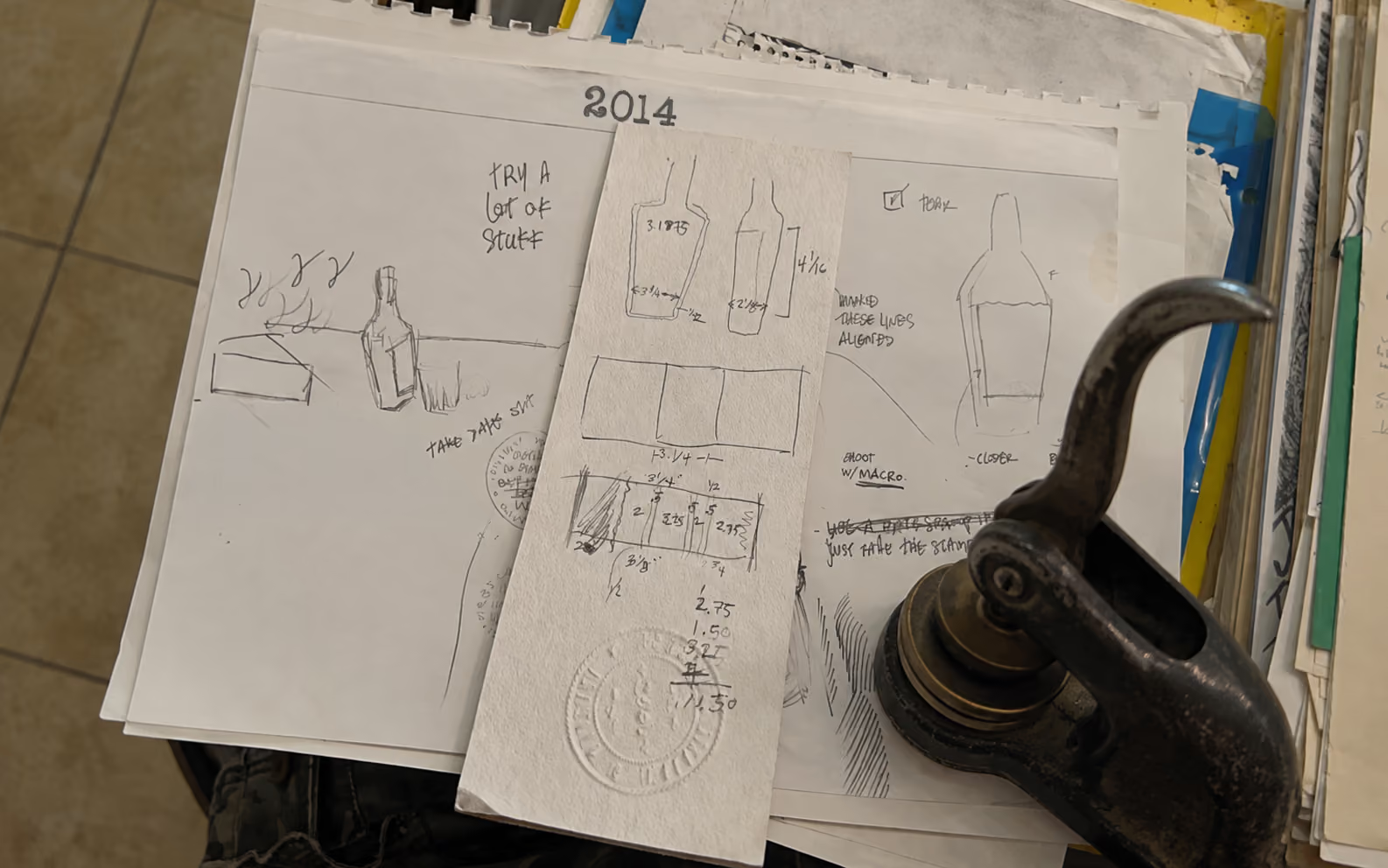
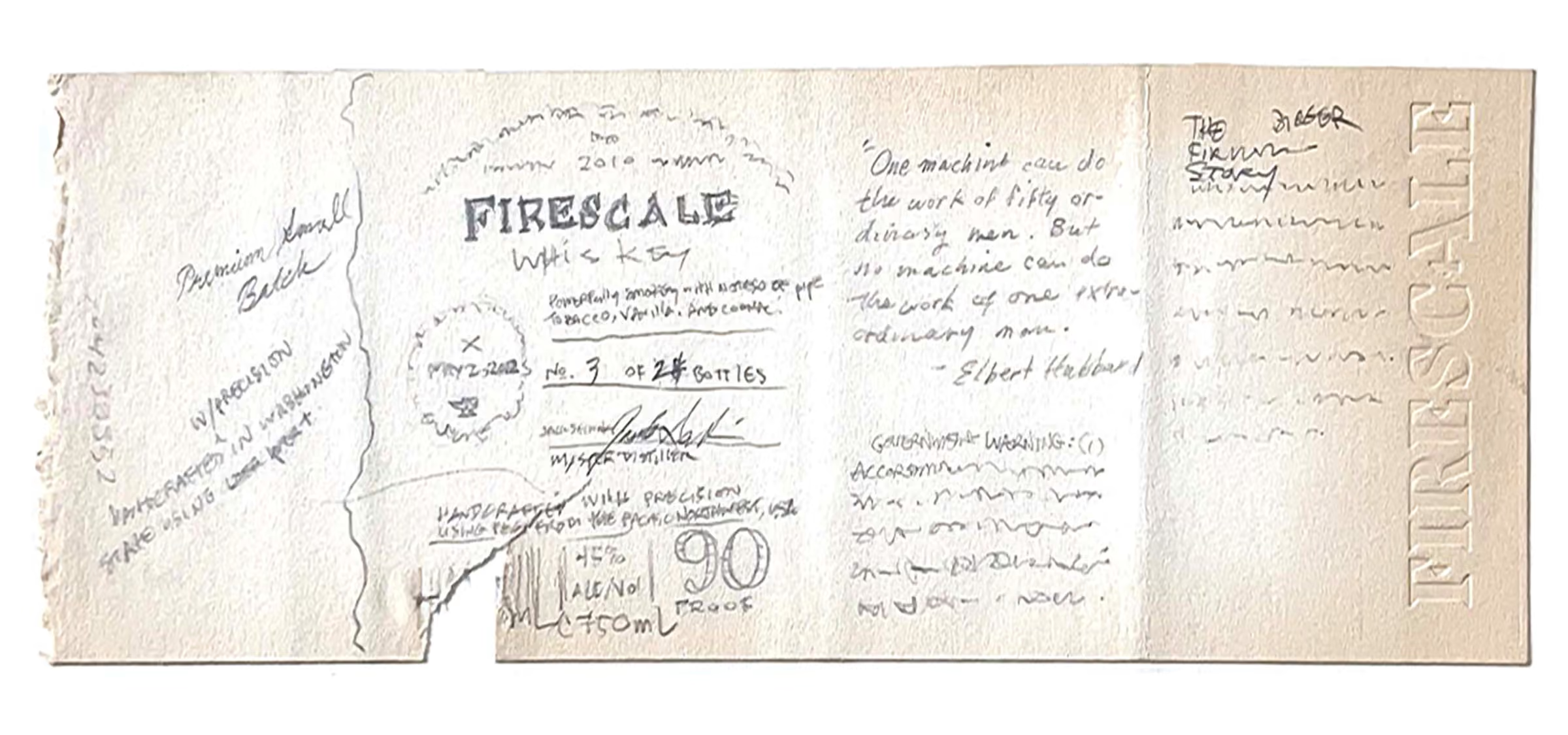
The concept of the banderole becoming a record of the bottle's provenance added another layer of tactile, workshop-made detail. Batch numbers, barrel information, and the distiller’s signature turned the banderole into another lively part of the script of Firescale's journey.
Lorem ipsum dolor sit amet, consectetur adipiscing elit, sed do eiusmod tempor incididunt ut labore et dolore magna aliqua. Ut enim ad minim veniam, quis nostrud exercitation ullamco laboris nisi ut aliquip ex ea commodo consequat. Duis aute irure dolor in reprehenderit in voluptate velit esse cillum dolore eu fugiat nulla pariatur.
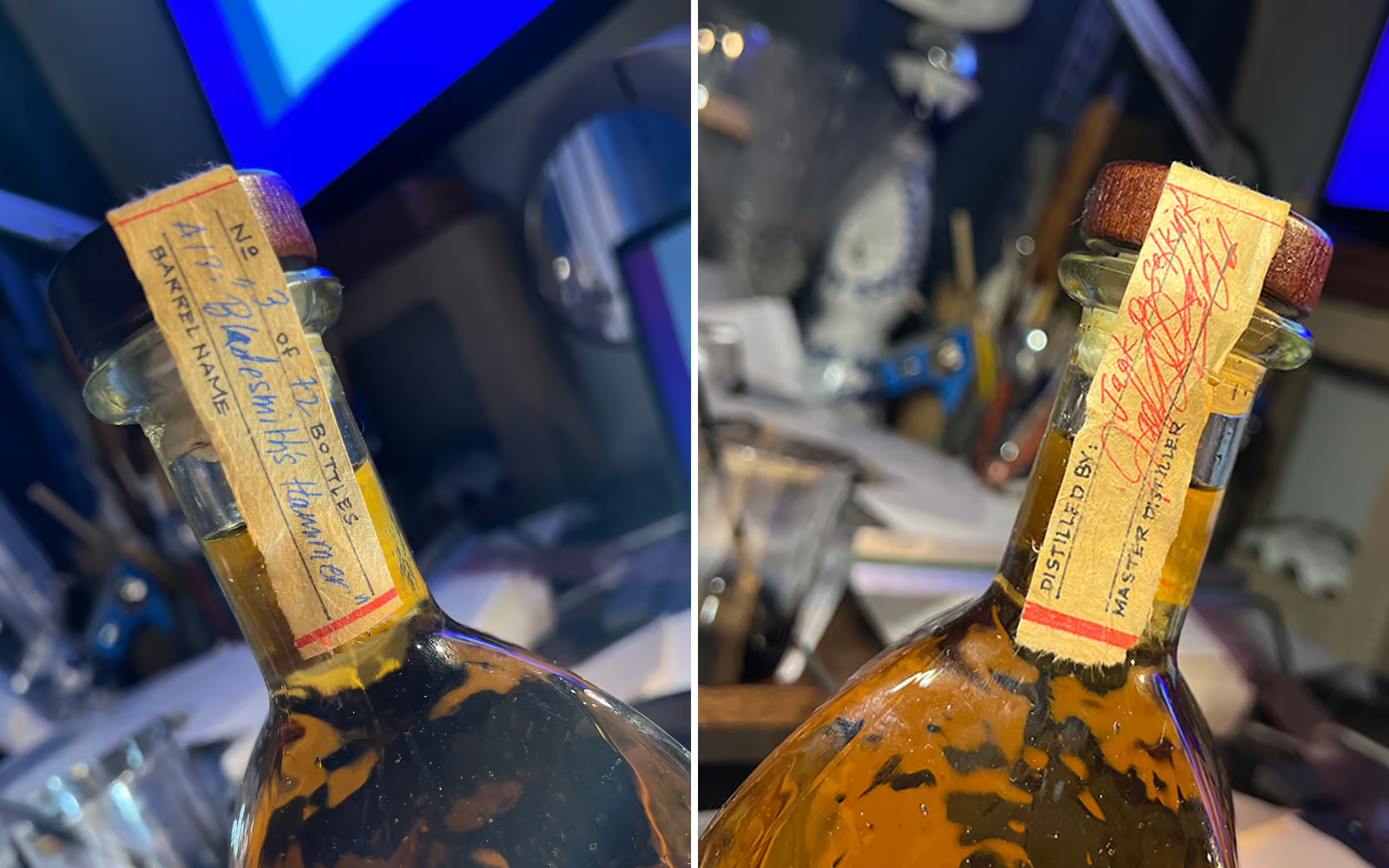
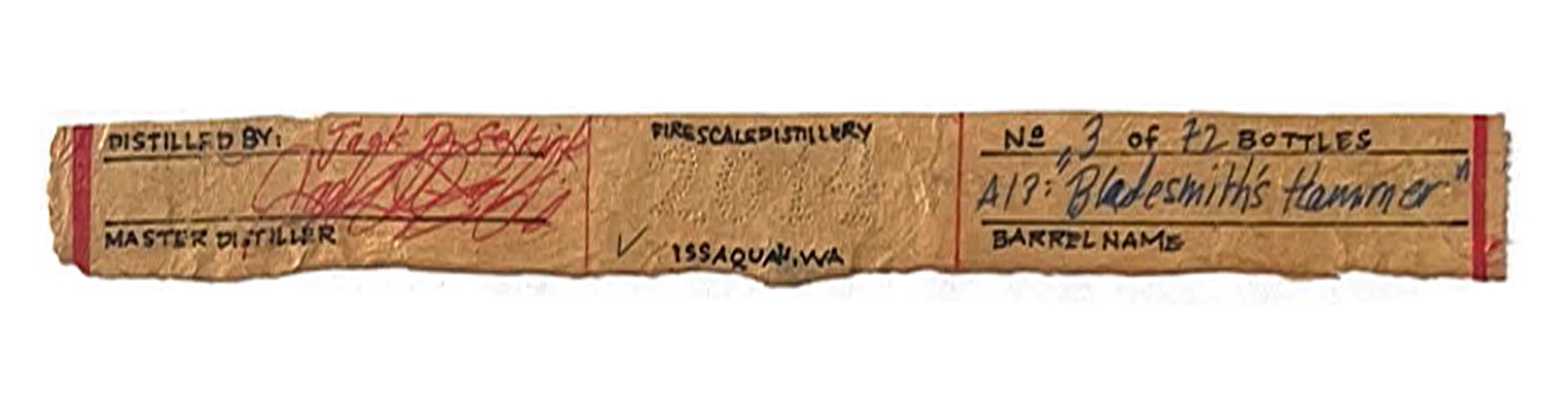
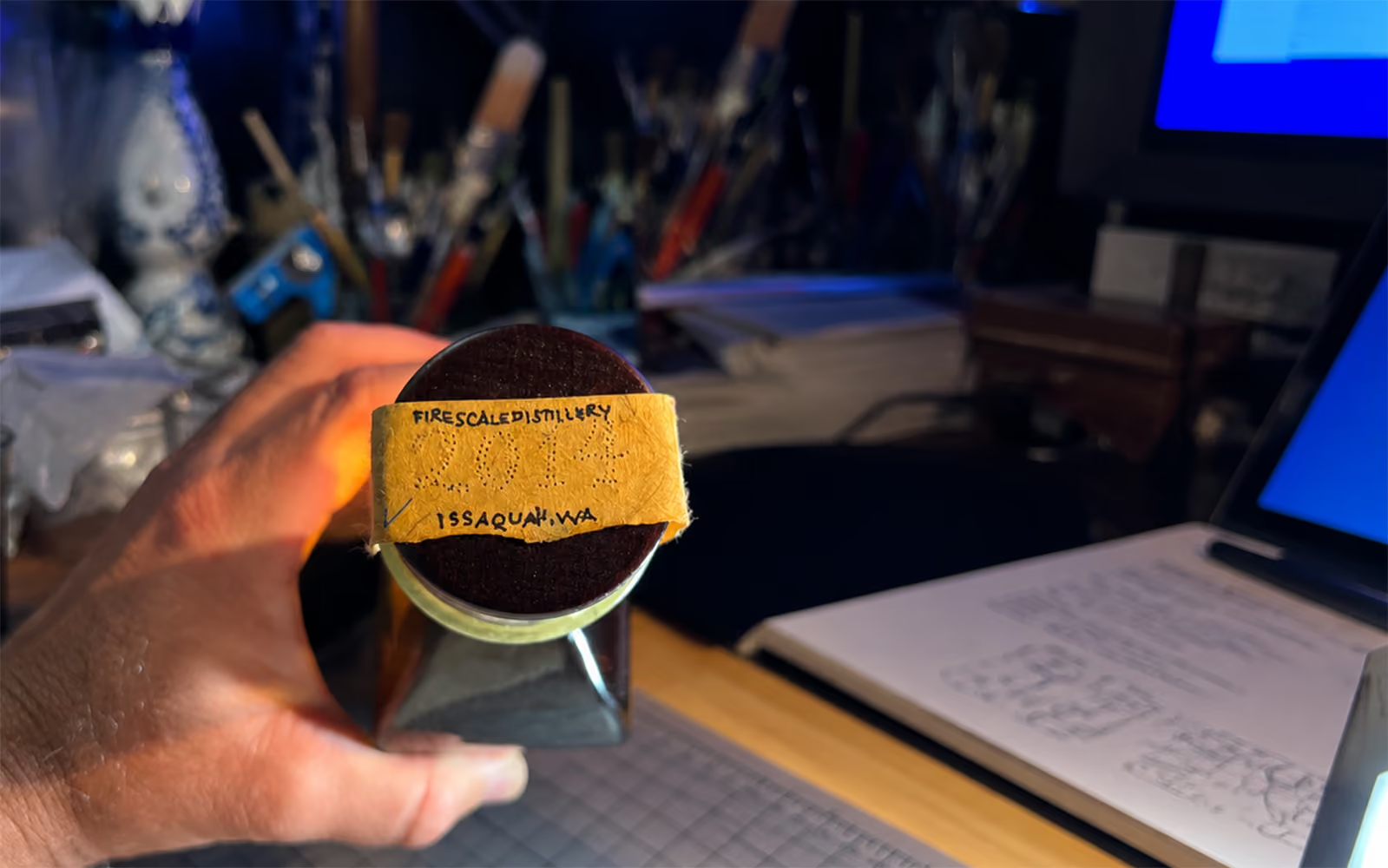
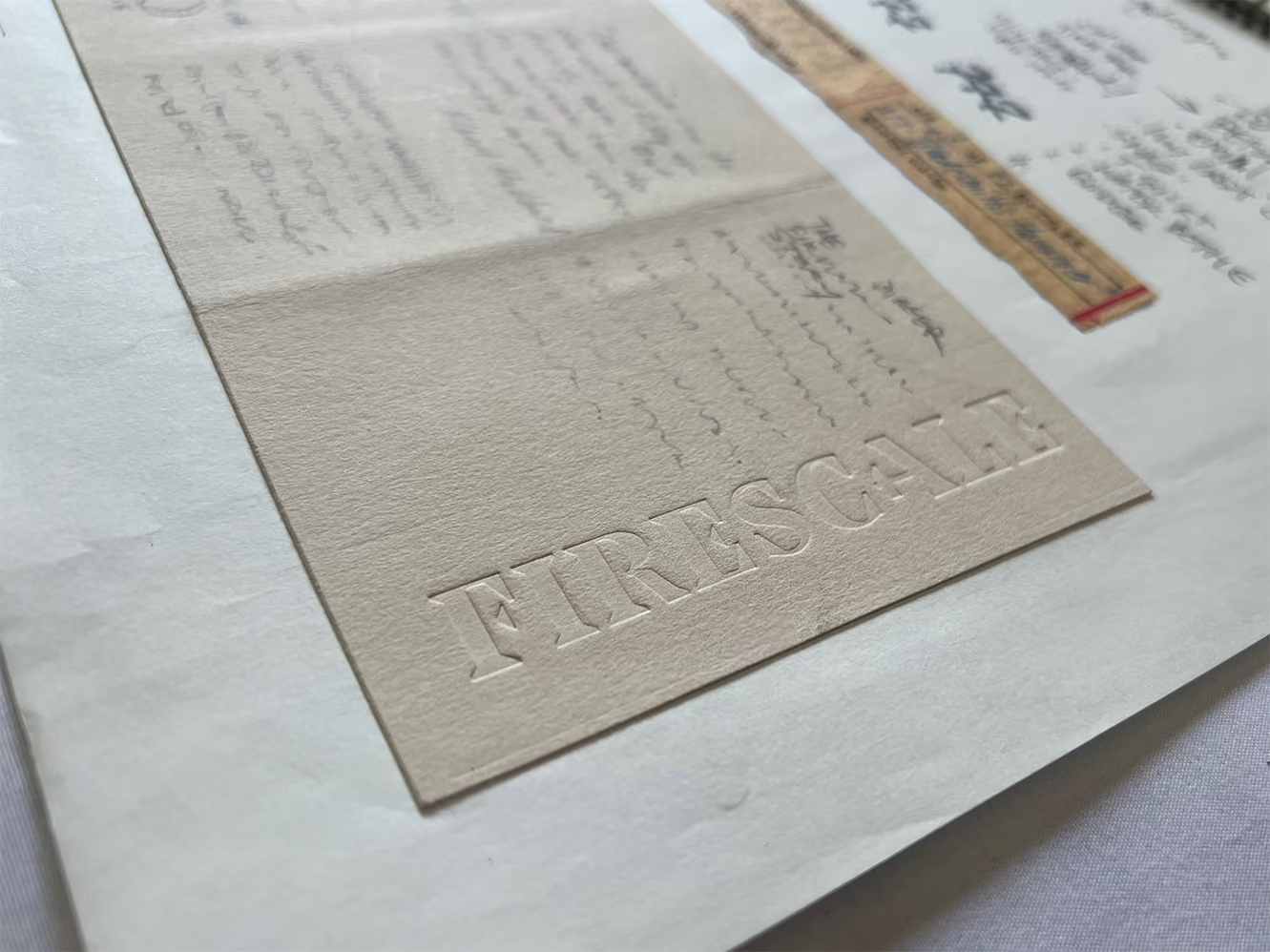
Rather than digitally simulate the character I wanted in the packaging (which would weaken the point), I turned the Firescale wordmark into a physical die. Laser-cutting the reversed letterforms let me press the identity directly into paper, giving a digital mark real depth, pressure, texture, and variation. Since Firescale was meant to be unconventional, I decided to put the blind embossed feature on the back label of the bottle, as a subtle "reward" revealed on the reverse side, rather than on the front.
Lorem ipsum dolor sit amet, consectetur adipiscing elit, sed do eiusmod tempor incididunt ut labore et dolore magna aliqua. Ut enim ad minim veniam, quis nostrud exercitation ullamco laboris nisi ut aliquip ex ea commodo consequat. Duis aute irure dolor in reprehenderit in voluptate velit esse cillum dolore eu fugiat nulla pariatur.


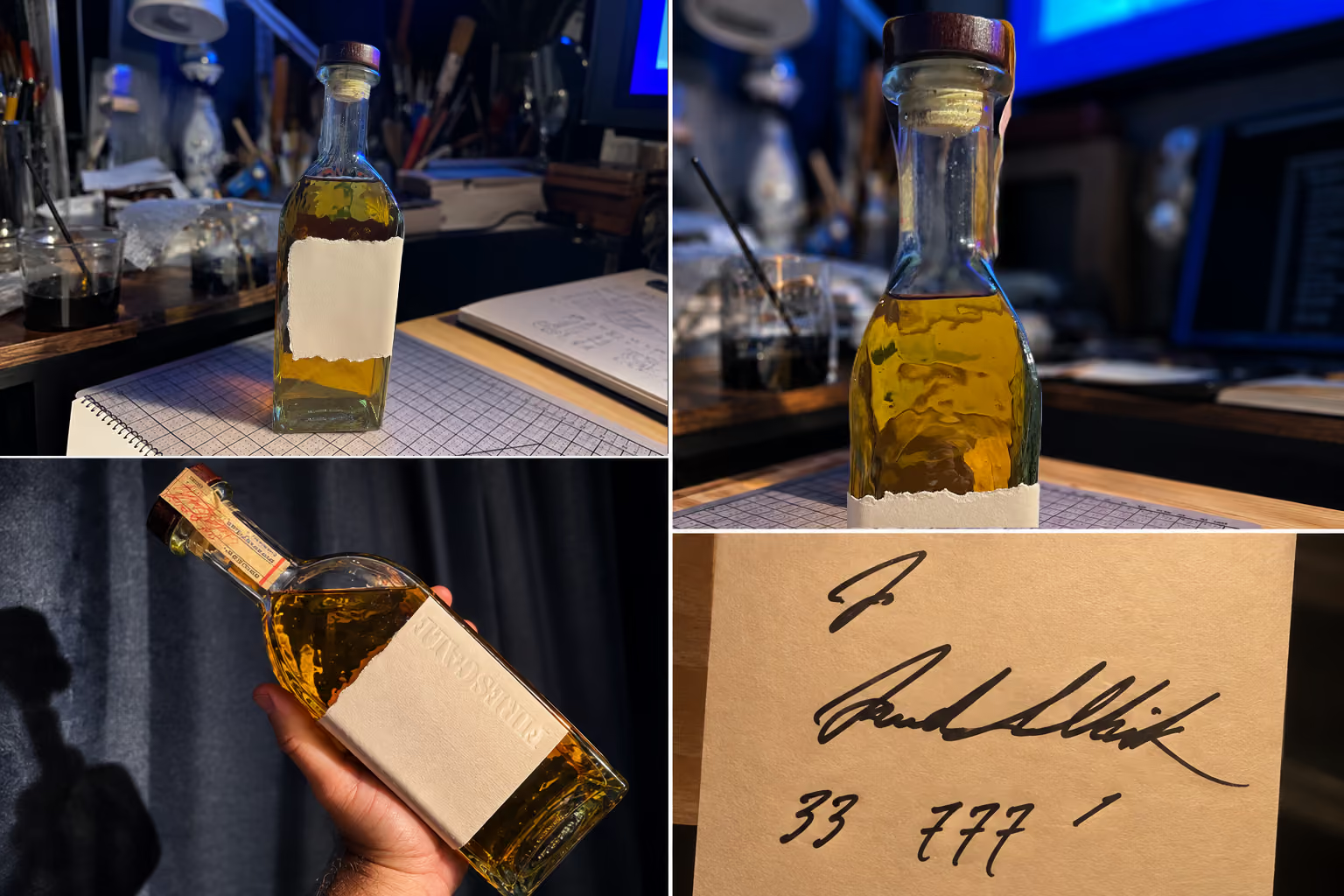
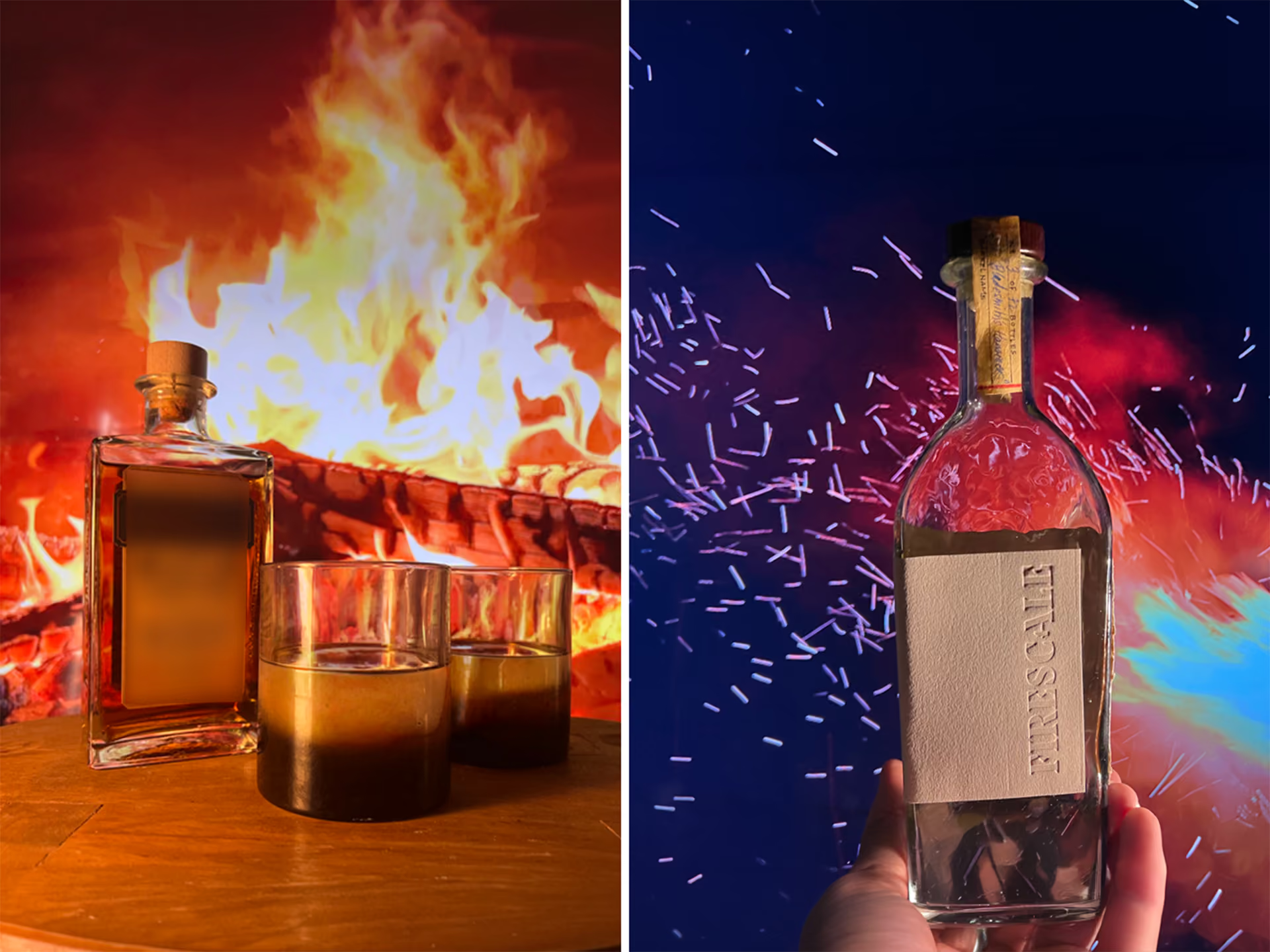
I researched studio product-photography techniques like placing the product in front of a screen to simulate different environments, experimenting at home with lighting, backgrounds, composition, and the materials I already had available. Those tests showed me how light could emphasize the warped glass, paper texture, and embossed details. For the final campaign imagery, I borrowed a full-fram DSLR camera and shot the finished bottle at different angles, then used AI as another production tool to explore environments, lighting configurations and art direction beyond what I could practically photograph myself.
Lorem ipsum dolor sit amet, consectetur adipiscing elit, sed do eiusmod tempor incididunt ut labore et dolore magna aliqua. Ut enim ad minim veniam, quis nostrud exercitation ullamco laboris nisi ut aliquip ex ea commodo consequat. Duis aute irure dolor in reprehenderit in voluptate velit esse cillum dolore eu fugiat nulla pariatur.
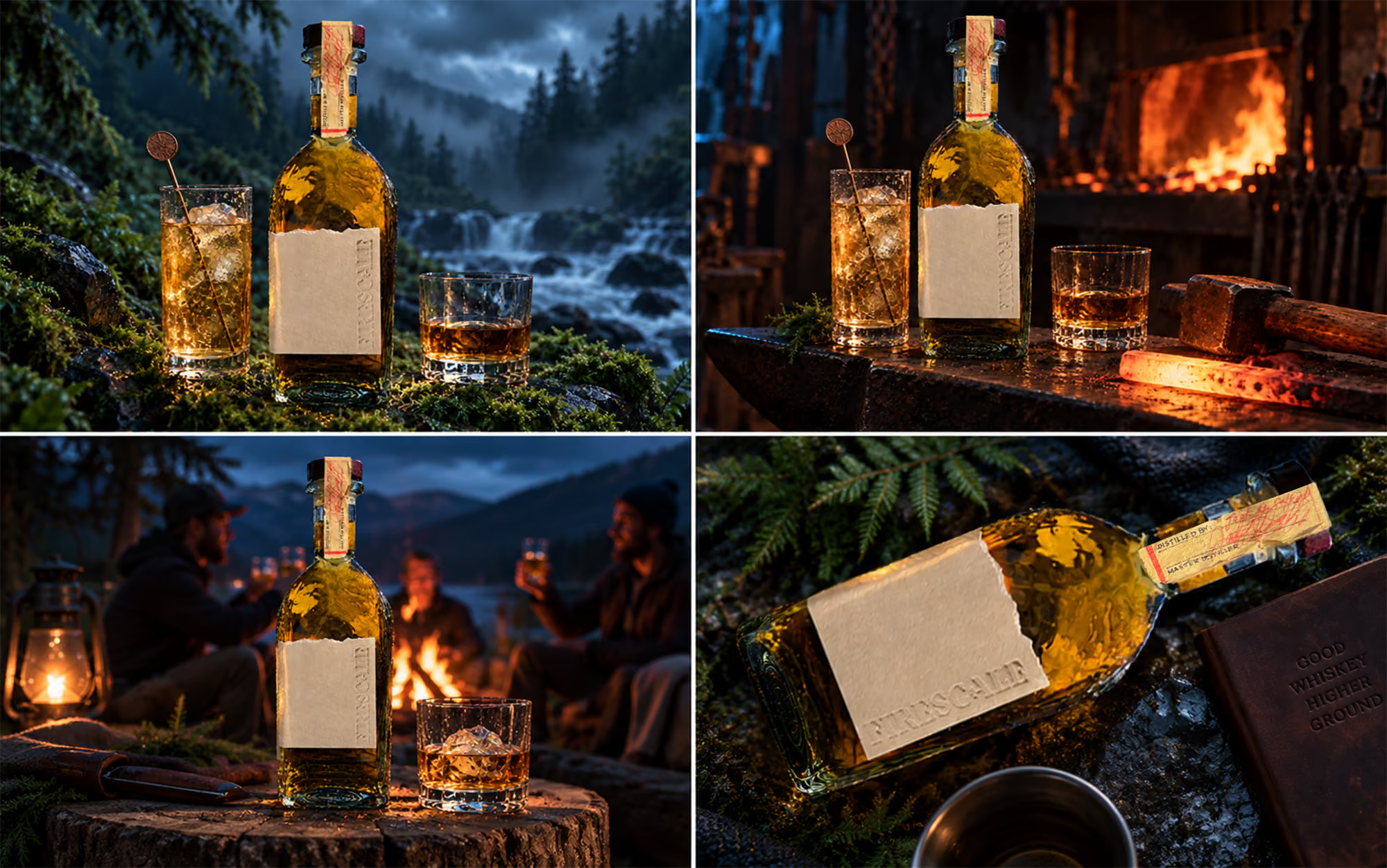
Firescale stopped being merely a narrative about craft when it became a tangible character within its own story.
Each design choice now came together in one object: irregular glass, fibrous paper, embossed lettering, handwritten details, and a package designed to wear its imperfections proudly.
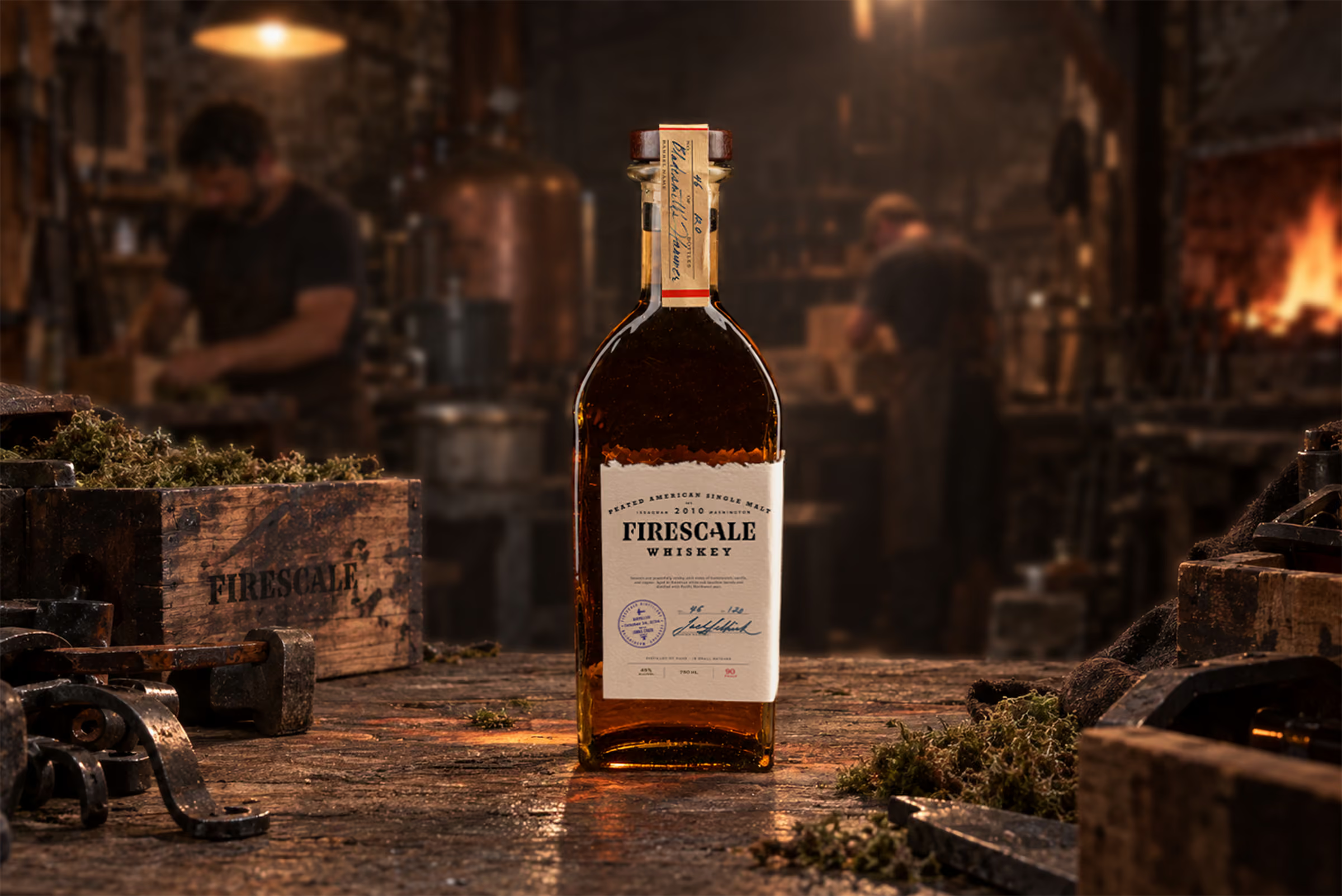
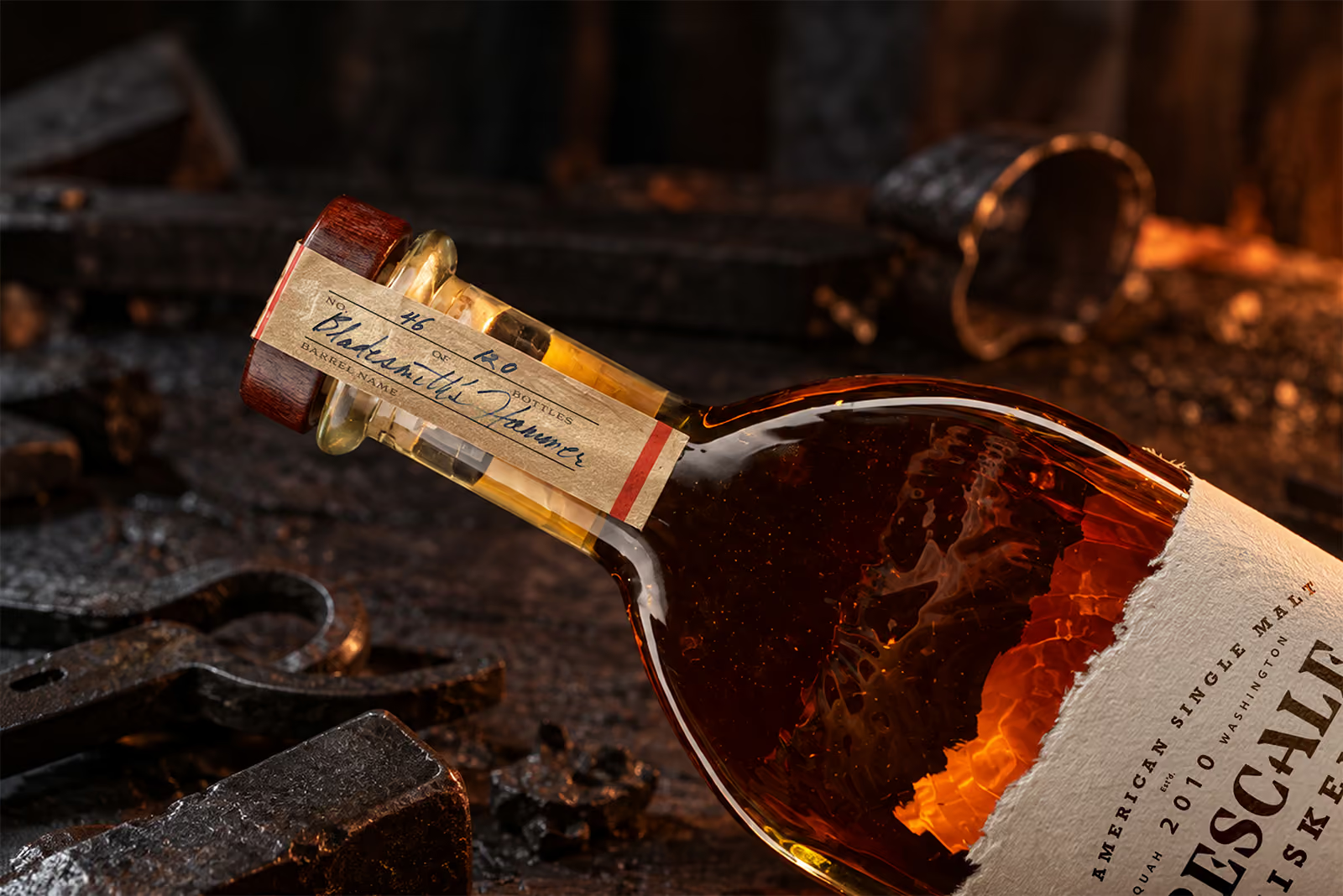
Warped glass, torn paper, embossed lettering, handwriting—the details coaslesced to begin feeling less like separate design decisions and more like a coherent and realistic identity.
The back label carries the Selkirk brothers into the finished package, turning the fiction behind Firescale into something discovered while holding the bottle. Embossing, typography and material choices make that story physical rather, than simply decorative.

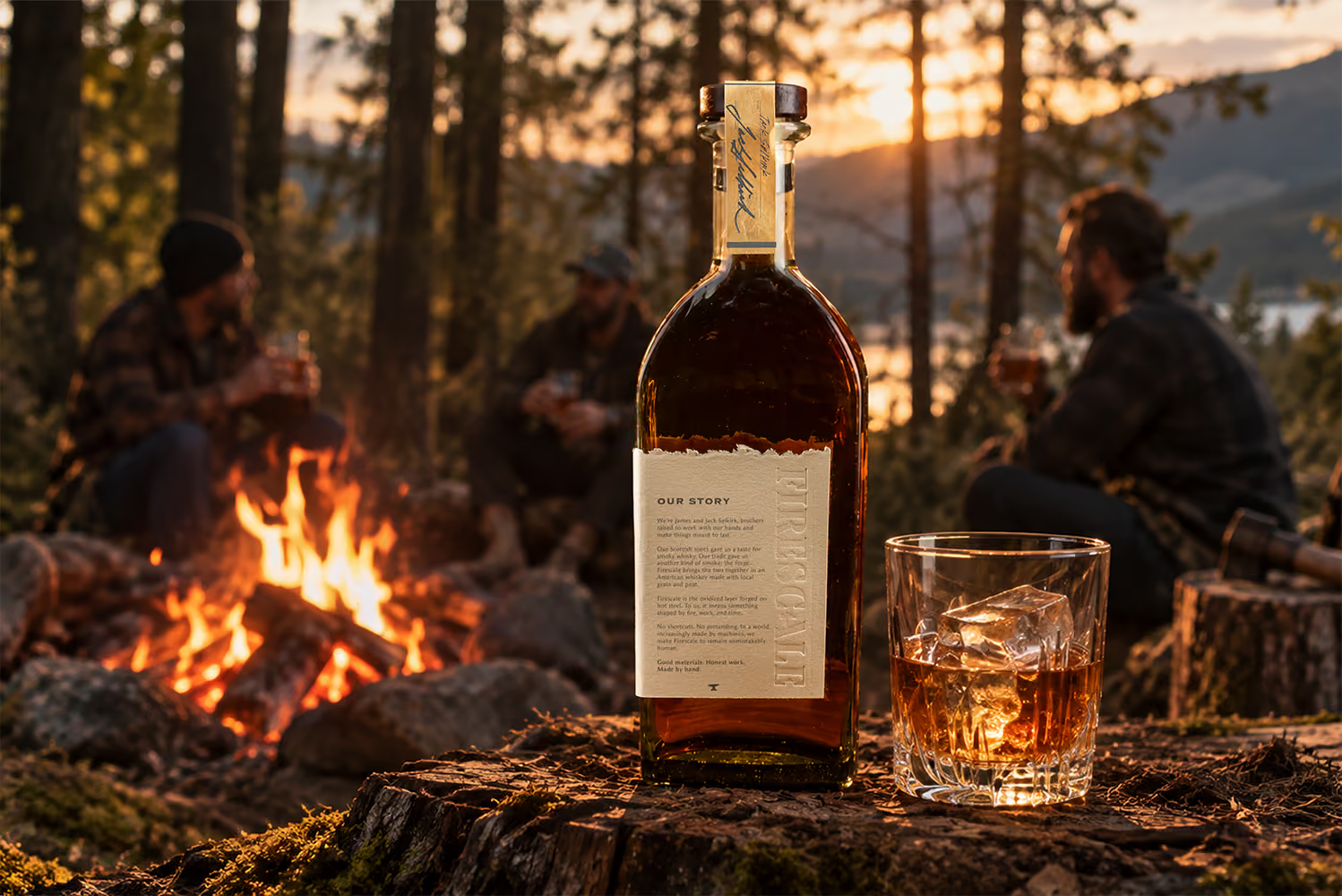
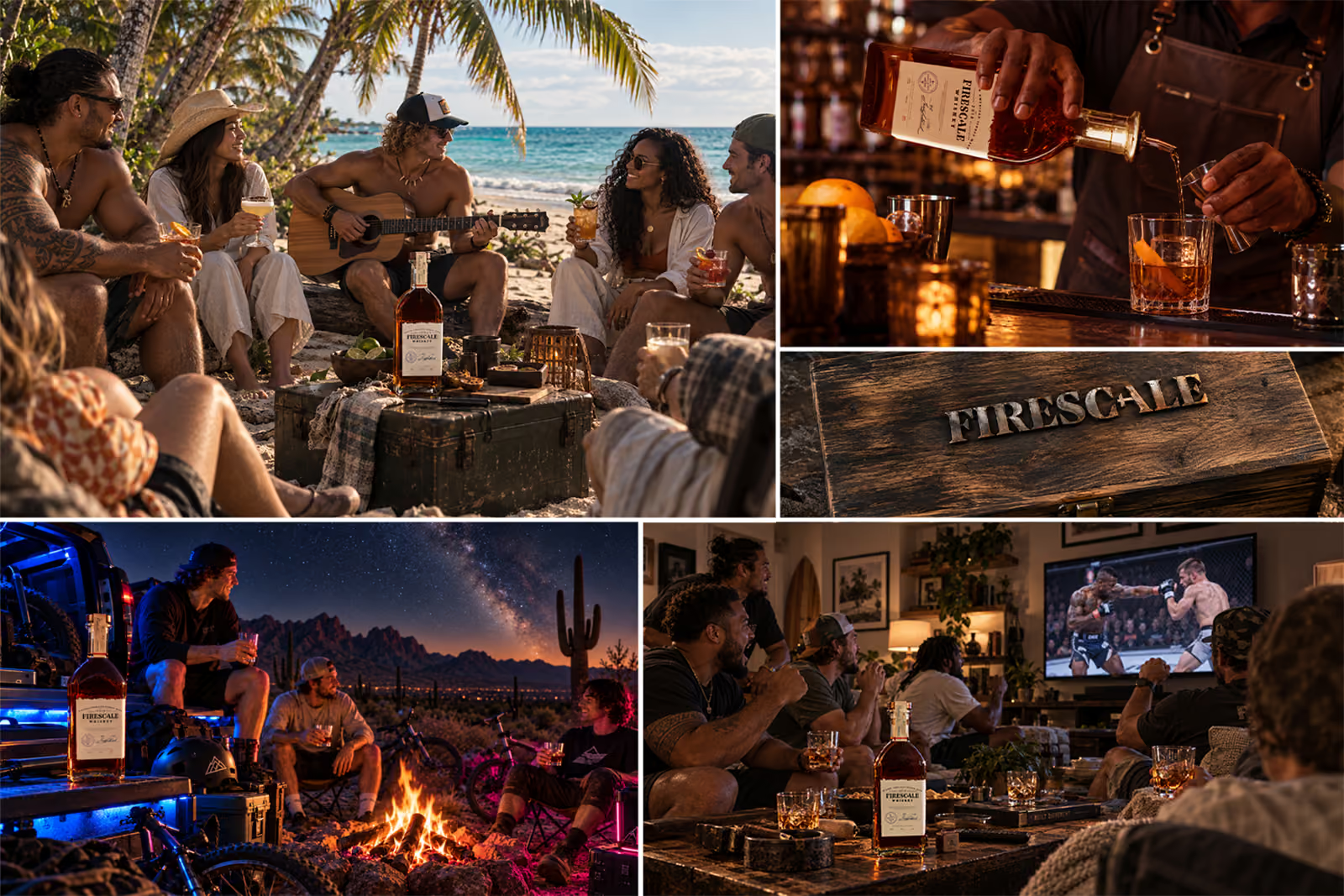
Built in the Pacific Northwest, but designed to travel. Firescale belongs wherever good whiskey, fire and good company meet.
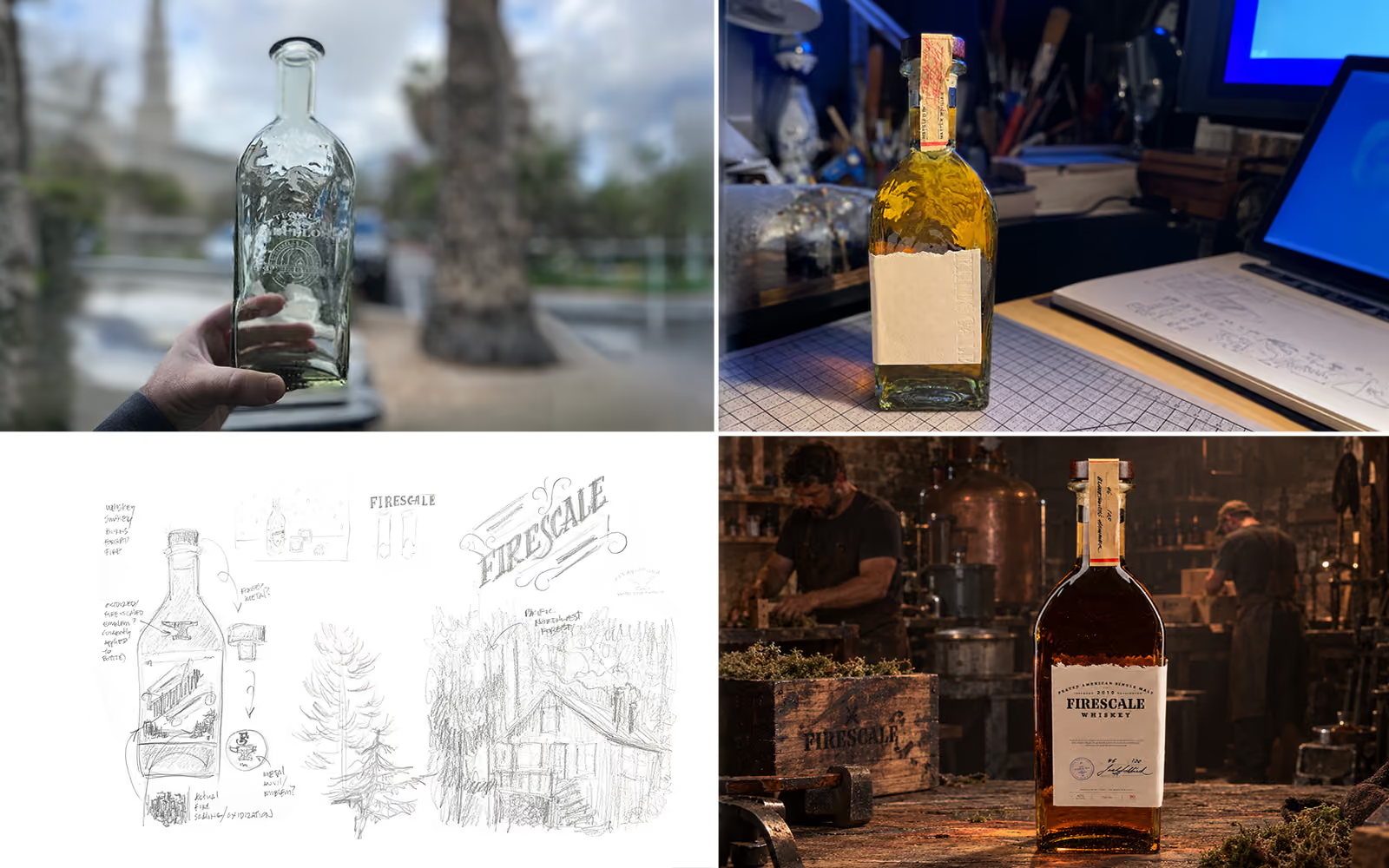
I forgot to shoot photos of the final stippled banderole and a few other perspectives before gifting the whiskey to out of state. In the end, however, I'm pleased with the result.
What I did document tells the story of Firescale. What I didn't taught me why documenting the process matters.
Have a project, opportunity, or conversation in mind? I'd love to hear from you.